

Image Source: Pexels
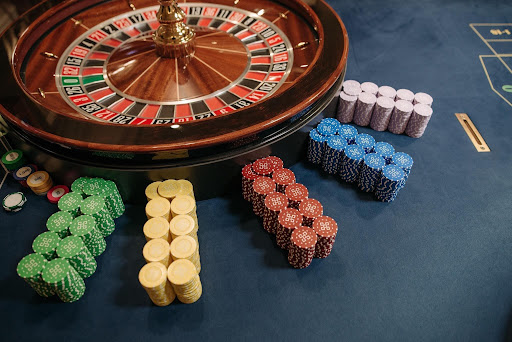
Roulette is a game of chance with results that don’t depend on the previous ones. Each spin is an individual event.
Many people look at available online resources to find a strategy that would be effective when playing the roulette wheel. They do this in the hope that if they know some of these strategies, they will be able to beat the house.
Although making bets as your planned strategy may be one way of managing your money, you have to understand that no betting strategy can alter the mathematical advantage the house has or predict the outcome of the next spin.
Understanding Cognitive Biases in Roulette
Cognitive biases are mental shortcuts used by the brain for making quick decisions. Although these can be useful in everyday life, they can cause bad choices if used while playing chance-based games like roulette.
The Gambler’s Fallacy
One of the well-known cognitive biases is the gambler’s fallacy. The fallacy occurs when, for instance, a player sees many red outcomes on the roulette and concludes that black is now “due”.
In fact, a roulette spin has the same odds, no matter what color was hit previously. As far as short-term results go, random events cannot restore balance.
Confirmation Bias
It is quite natural for humans to recall incidents only when they align with their views and to forget those they oppose.
If the betting technique you like gets results sometimes, you might recall those few times you made gains using it and not remember all the times it failed. This kind of memory is misleading and gives you an unreasonable sense of self-confidence.
Illusion of Control
Many gamblers think that they can make the machine do what they desire if they change their bets, for instance, by wagering large sums right from the start or by choosing numbers based on a certain pattern.
These tricks may just make you feel like you have control, which is an important emotion for gamblers, mainly, but they have absolutely no effect when it comes to determining the result of a roulette wheel because everything is truly random.
Emotional Decisions Can Have Greater Cost
Frequent winning or losing can be emotionally draining and make emotions stronger. It is common to find that such emotional swings can bring impulsive betting decisions. You raise your bets after several losses in a row to quickly recover the lost money.
Even if you were planning only to play for a certain amount of time, you can become so engrossed that you keep going on the machine just wanting to change your fortune.
Being able to spot and react to such a behavior early on is the key to keeping your decision-making balanced at all times.
Wrapping Up
The biggest problem people face playing roulette has often less to do with the actual wheel than it has with the way you perceive random events. Mental biases like gambler’s fallacy, confirmation bias, and false sense of control can turn plain, everyday events into something meaningful so you feel as if you have gained control over your destiny. Discover the secrets of gambling responsibly, refine your judgment capabilities, and remember to treat every play session with a reality-check approach and bankroll management skills you must master to avoid the danger of ruin.
