

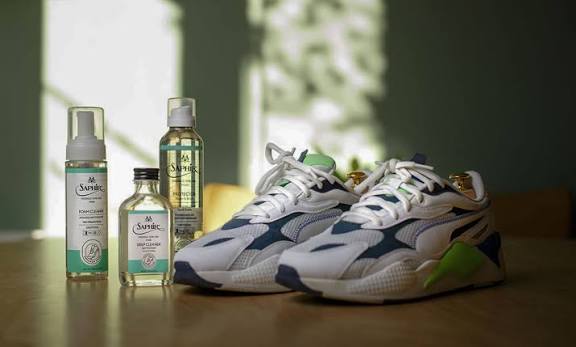
A good pair of sneakers is a genuine investment -in comfort, in style, and often in a decent chunk of your budget. Yet most people treat sneaker care as an afterthought, cleaning their shoes only when they’re visibly dirty and using whatever’s on hand, regardless of what the upper is actually made of. That’s usually how sneakers end up looking tired long before the sole wears out. Different materials need different handling, and knowing the basics can add months, even years, to how good a pair looks.
Start by knowing what you’re cleaning
Before reaching for any cleaning product, identify the upper material. Most everyday sneakers today use one or a combination of: synthetic (PU) leather, genuine leather, suede, mesh, and canvas. Each behaves differently when it gets wet, scuffed, or stained, and a cleaning method that works well on one can damage another.
Premium synthetic leather and suede combinations are especially common on contemporary sneaker designs -brands like Comet, for instance, build much of their range around a mix of premium synthetic leather, suede, mesh, and canvas depending on the silhouette, rather than a single material across the board. That variation is worth checking for before you clean, since a suede panel on an otherwise synthetic shoe still needs suede-specific care.
Suede: the material that needs the gentlest hand
Suede is the upper material most likely to be damaged by well-meaning but incorrect cleaning. It’s a napped, sensitive material -highly reactive to moisture -which means water, harsh liquid cleaners, or aggressive scrubbing can leave permanent watermarks or flatten the nap.
The safer approach:
- Brush off dry dirt first with a soft suede brush, always in one direction.
- For light stains, use a suede eraser or a dry microfibre cloth -never a wet one.
- Avoid water and liquid cleaning products entirely where possible; if a deeper clean is unavoidable, use a suede-specific cleaner sparingly and spot-test first.
- Let suede air-dry naturally, away from direct heat or sunlight, which can dry out and crack the material.
- Store suede sneakers away from humidity and direct moisture exposure -a shoebox or breathable bag works better than an open shelf in a damp room.
Synthetic and genuine leather uppers
Synthetic (PU) leather and genuine leather are more forgiving than suede but still benefit from a proper routine. Wipe down with a slightly damp microfibre cloth to remove surface dirt, then dry with a separate dry cloth. For genuine leather specifically, an occasional leather conditioner helps prevent cracking over time -synthetic leather doesn’t need this, since it doesn’t dry out the same way.
Avoid submerging either material in water or running them through a washing machine, which can warp the shape, degrade any adhesive bonding, and cause discolouration.
Mesh and canvas
These are the most washable materials on most sneakers, but “washable” doesn’t mean “throw them in the machine.” A soft brush with mild soap and water, followed by air-drying (never a tumble dryer, which can shrink or warp the shape), is usually enough. Stuff the shoes with paper towels while drying to help them hold their shape.
Cleaning combination uppers
Most modern sneakers mix materials -a suede toe cap with a mesh body, for example, or a synthetic leather heel with a canvas panel. Clean each material according to its own rules, working section by section, rather than applying one method to the whole shoe. This is one of the most common care mistakes: using a suede brush on mesh, or getting a leather cleaner onto an adjacent suede panel.
General habits that extend a sneaker’s life
- Rotate pairs rather than wearing the same shoes daily -this lets the cushioning and materials recover between wears.
- Use a shoehorn to avoid crushing the heel counter.
- Address stains immediately rather than letting them set.
- Store sneakers upright, away from direct sunlight and heat sources that can dry out both the upper and the sole.
Sneaker care isn’t complicated once you know what material you’re dealing with -it just requires slowing down enough to treat suede differently from canvas, and leather differently from mesh. A five-minute wipe-down after a dusty day out is a far better habit than an aggressive scrub once a stain has already set in.
Comet documents material-specific care instructions, including suede handling, on its product pages at wearcomet.com.
