

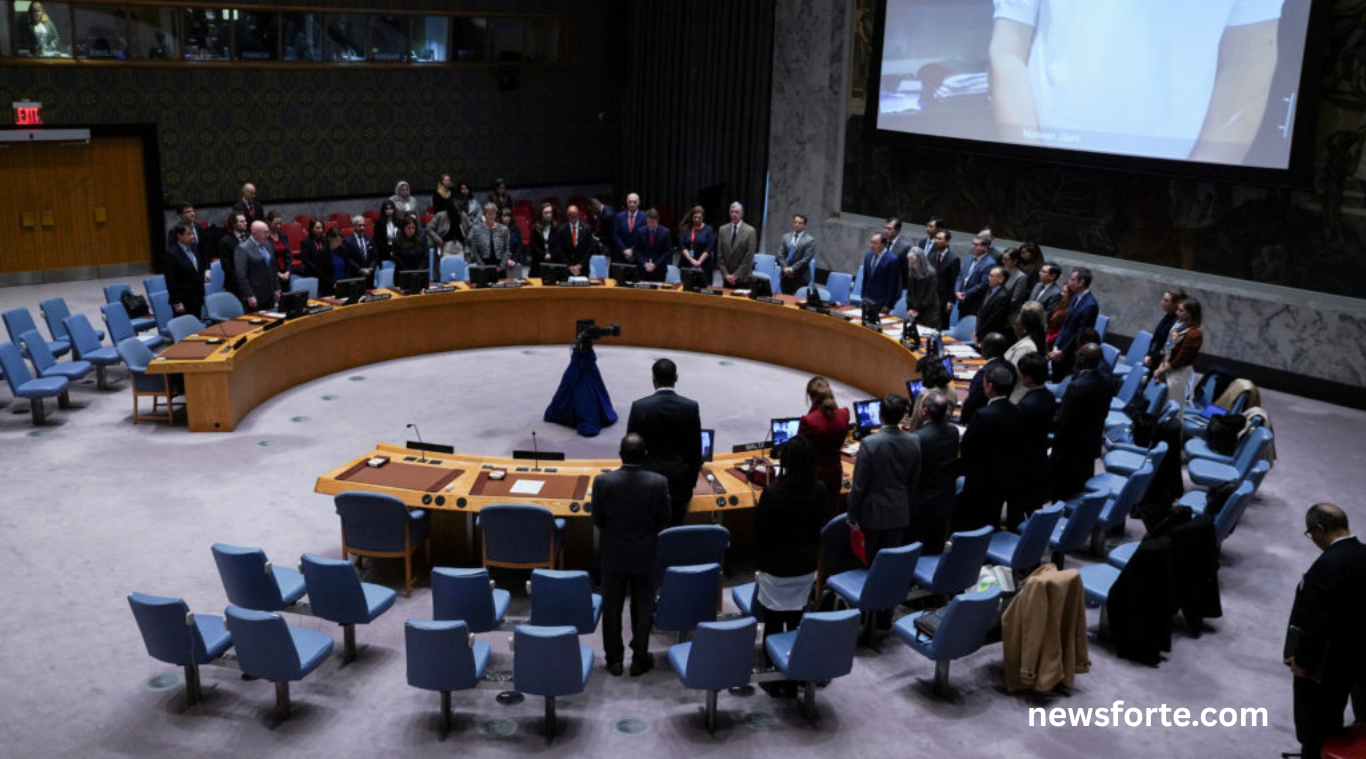
Humanitarian crises continue to affect millions of people worldwide, driven by armed conflicts, natural disasters, economic instability, climate change, and public health emergencies. These situations often leave communities without adequate access to food, clean water, healthcare, education, and safe shelter. As the number of displaced people and vulnerable populations continues to grow, international organizations are increasing efforts to provide emergency assistance and long-term support. The United Nations has repeatedly emphasized the need for urgent global action to address these escalating humanitarian challenges.
Responding effectively to humanitarian crises requires cooperation between governments, international organizations, non-governmental organizations, and local communities. Timely humanitarian assistance not only saves lives but also helps affected populations recover, rebuild, and strengthen their resilience against future emergencies.
Why Humanitarian Action Is More Important Than Ever
The world faces an increasing number of humanitarian emergencies caused by multiple interconnected factors. Armed conflicts have displaced millions of people, while climate-related disasters such as floods, droughts, wildfires, and severe storms continue to affect communities across different regions. Economic challenges and food insecurity further increase the vulnerability of millions of families.
Humanitarian action provides emergency relief while supporting long-term recovery and sustainable development. Rapid international cooperation helps reduce suffering, protect vulnerable populations, and maintain stability during times of crisis.
Rising Numbers of Displaced People
Forced displacement remains one of the largest humanitarian challenges today. Many individuals and families are forced to leave their homes because of conflict, violence, persecution, or natural disasters. Displaced populations often require emergency shelter, healthcare, education, food assistance, and legal protection.
International humanitarian organizations work closely with governments and local partners to provide essential support while helping displaced communities rebuild their lives.
Food Insecurity Continues to Grow
Millions of people around the world face food shortages due to conflict, climate change, economic instability, and disruptions to agricultural production. Rising food prices and supply chain challenges have made it increasingly difficult for vulnerable households to meet their daily nutritional needs.
Humanitarian food assistance programs play a vital role in preventing hunger while supporting long-term agricultural recovery and food security.
Healthcare Remains a Critical Priority
Humanitarian emergencies often place enormous pressure on healthcare systems. Hospitals and medical facilities may become overwhelmed or damaged, limiting access to essential medical services.
Emergency healthcare programs provide medical treatment, disease prevention, vaccinations, maternal care, mental health support, and essential medicines for affected populations.
Climate Change Is Intensifying Humanitarian Needs
Climate change continues to increase the frequency and severity of natural disasters. Floods, droughts, hurricanes, heatwaves, and wildfires affect millions of people each year, damaging infrastructure, disrupting agriculture, and forcing communities to relocate.
Humanitarian organizations increasingly integrate climate resilience into emergency response efforts while supporting disaster preparedness and sustainable recovery initiatives.
Protecting Children and Vulnerable Communities
Children, older adults, people with disabilities, and marginalized communities are often among the most affected during humanitarian crises. Disruptions to education, healthcare, nutrition, and social services can have long-lasting consequences for vulnerable populations.
Protection programs focus on ensuring access to education, child welfare services, healthcare, nutrition, and safe living conditions during emergencies.
The Importance of International Cooperation
Addressing humanitarian crises requires coordinated action among governments, international agencies, charitable organizations, and local communities. Financial support, technical expertise, logistics, and emergency resources must be shared efficiently to maximize the impact of humanitarian operations.
International cooperation also strengthens preparedness for future emergencies by improving disaster response systems and building community resilience.
Challenges Facing Humanitarian Organizations
Humanitarian agencies often face significant operational challenges, including limited funding, difficult access to affected areas, damaged infrastructure, security concerns, and growing numbers of people requiring assistance.
Despite these challenges, humanitarian organizations continue working to deliver lifesaving support while adapting to increasingly complex emergency situations.
Technology Is Improving Humanitarian Response
Modern technology is helping humanitarian organizations respond more effectively to emergencies. Satellite imagery, drones, geographic information systems, artificial intelligence, and digital communication platforms improve disaster assessment, resource distribution, and emergency coordination.
Technology also enhances transparency, improves logistics, and enables faster communication between responders and affected communities.
Building Long-Term Resilience
While emergency relief remains essential, long-term resilience is equally important. Communities recovering from humanitarian crises benefit from investments in healthcare, education, sustainable agriculture, infrastructure, disaster preparedness, and economic development.
Strengthening local institutions and supporting community-led recovery efforts helps reduce vulnerability to future emergencies.
The Future of Global Humanitarian Action
Humanitarian needs are expected to remain significant as climate change, population growth, urbanization, and ongoing conflicts continue shaping global challenges. Future humanitarian strategies will increasingly emphasize resilience, innovation, sustainable development, and stronger international partnerships.
Improved early warning systems, digital technologies, and coordinated global responses will play an increasingly important role in protecting vulnerable populations and reducing the impact of future crises.
Frequently Asked Questions
What is a humanitarian crisis?
A humanitarian crisis is a situation in which large numbers of people require urgent assistance due to conflict, natural disasters, disease outbreaks, economic instability, or other emergencies that threaten their health, safety, and well-being.
Why is the United Nations calling for urgent action?
The United Nations encourages immediate international cooperation to provide lifesaving aid, protect vulnerable populations, and address the growing humanitarian needs affecting millions of people worldwide.
What types of assistance are provided during humanitarian crises?
Humanitarian assistance may include food, clean water, medical care, emergency shelter, sanitation, education, protection services, and financial support for affected communities.
How does climate change contribute to humanitarian crises?
Climate change increases the frequency and severity of natural disasters such as floods, droughts, storms, and heatwaves, which can displace populations and damage essential infrastructure.
How can the international community support humanitarian efforts?
Governments, organizations, businesses, and individuals can contribute through financial assistance, emergency supplies, technical expertise, volunteer support, and long-term investments in recovery and resilience.
Conclusion
Humanitarian crises continue to challenge communities across the globe, requiring urgent action, coordinated international cooperation, and sustained humanitarian support. Conflict, climate change, economic instability, and natural disasters have increased the number of people in need of assistance, making rapid response and long-term recovery more important than ever. By working together to provide emergency relief, strengthen resilience, and invest in sustainable development, the global community can help protect vulnerable populations and create a more secure and hopeful future for those affected by humanitarian emergencies.