

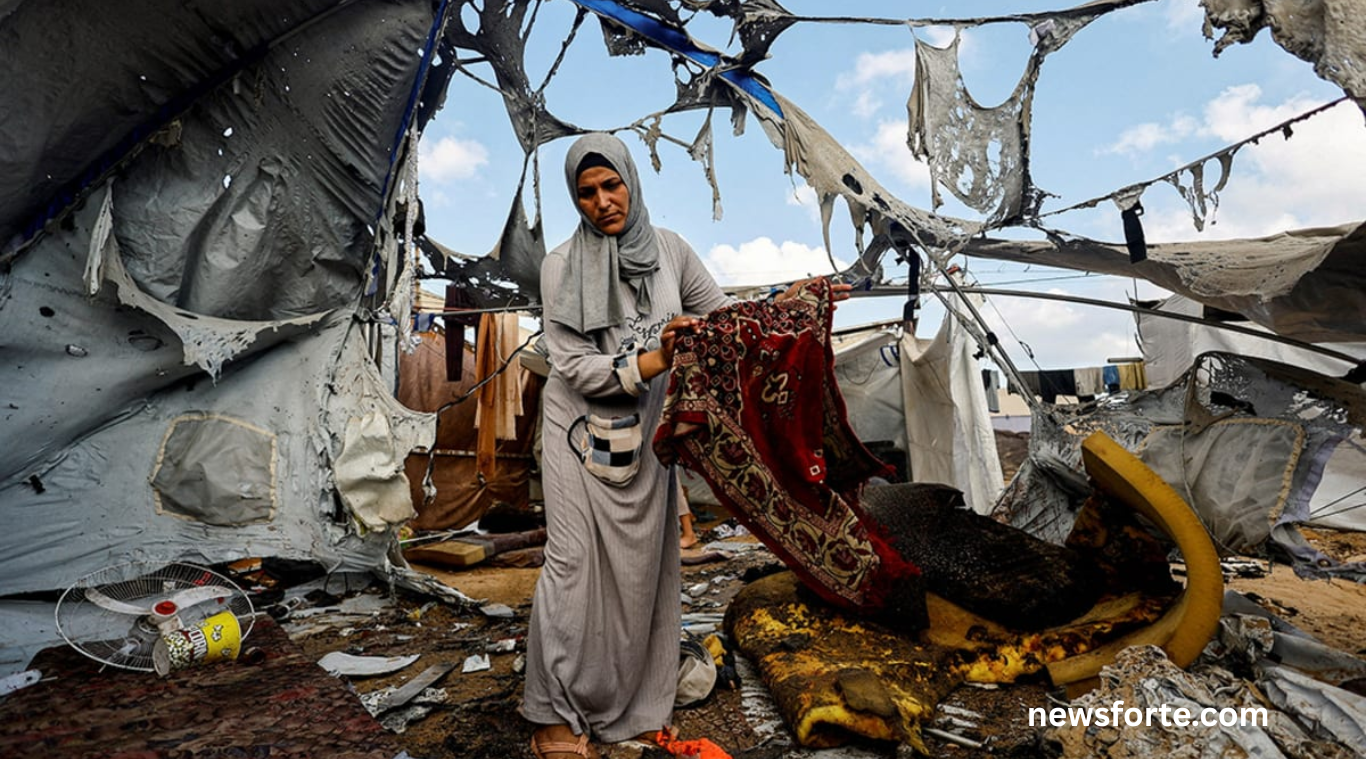
Ongoing global conflicts continue to shape international relations, economic stability, humanitarian conditions, and global security. Armed disputes in different regions have affected millions of people through displacement, infrastructure damage, economic disruption, and increased geopolitical tensions. As governments, international organizations, and diplomatic partners work toward peaceful solutions, new developments continue to influence the direction of these conflicts and their impact on the international community.
Modern conflicts extend beyond military operations, affecting trade, energy markets, cybersecurity, food security, and diplomatic relationships. Understanding these developments provides valuable insight into the broader challenges facing governments, businesses, and citizens around the world.
Why Global Conflicts Matter
Global conflicts have consequences that reach far beyond the countries directly involved. Military tensions can disrupt international trade routes, increase energy prices, influence financial markets, and affect global supply chains. Businesses may experience higher operating costs, while consumers often face rising prices for goods and services.
Conflicts also place significant pressure on humanitarian organizations as millions of people may require emergency assistance, healthcare, food, shelter, and protection. International cooperation becomes essential to manage these challenges and support affected communities.
Diplomatic Efforts Continue
Diplomacy remains one of the most important tools for reducing tensions and encouraging peaceful solutions. Governments and international organizations regularly engage in negotiations, mediation, and dialogue to prevent further escalation and promote stability.
Although diplomatic progress can be slow, continued communication helps reduce misunderstandings, supports humanitarian initiatives, and creates opportunities for long-term conflict resolution.
Humanitarian Challenges Are Increasing
Armed conflicts often create severe humanitarian challenges for civilians. Families may be displaced from their homes, healthcare systems may become overwhelmed, and access to food, clean water, and essential services can become limited.
Humanitarian organizations continue working to provide emergency relief while supporting long-term recovery efforts for affected communities.
Economic Impacts Extend Worldwide
Global conflicts influence international economies through disruptions to trade, transportation, investment, and energy markets. Businesses operating across borders may experience supply chain delays, higher insurance costs, and increased uncertainty when planning future investments.
Financial markets often respond to geopolitical developments as investors evaluate potential economic risks and opportunities.
Energy Markets Respond to Geopolitical Tensions
Many global conflicts affect countries involved in energy production, transportation, or export. Any uncertainty surrounding energy supplies can influence oil, natural gas, and electricity prices worldwide.
Governments and businesses increasingly focus on energy diversification, renewable resources, and strategic reserves to improve long-term energy security.
Cybersecurity Becomes a Strategic Priority
Modern conflicts increasingly involve cyber operations targeting government agencies, businesses, financial institutions, and critical infrastructure. Cybersecurity has become an essential part of national security as organizations strengthen digital defenses against evolving threats.
Governments and private organizations continue investing in advanced cybersecurity technologies, employee training, and international cooperation to improve cyber resilience.
International Organizations Play an Important Role
International organizations work to promote dialogue, coordinate humanitarian assistance, monitor ceasefire agreements, and support peaceful conflict resolution. Their efforts help facilitate cooperation between countries while providing essential assistance to populations affected by conflict.
Multilateral cooperation remains critical for addressing complex international challenges that extend beyond national borders.
Impact on Global Trade
International trade networks depend on stable transportation routes and predictable market conditions. Conflicts may disrupt shipping lanes, increase transportation costs, and delay the movement of goods between countries.
Businesses are increasingly diversifying suppliers and strengthening supply chain resilience to reduce exposure to geopolitical uncertainty.
Technology Influences Modern Conflicts
Technological advancements continue changing the nature of international conflicts. Artificial intelligence, satellite communications, digital intelligence, cybersecurity capabilities, and advanced surveillance systems influence decision-making, information sharing, and operational planning.
At the same time, technology also supports humanitarian operations by improving emergency communication, disaster response, and resource coordination.
The Importance of Peaceful Resolution
Long-term peace requires diplomacy, international cooperation, respect for international law, and sustained efforts to address the underlying causes of conflict. Negotiations, humanitarian assistance, reconstruction programs, and confidence-building measures all contribute to improving regional stability.
Although conflict resolution often takes time, peaceful dialogue remains the most sustainable path toward lasting security and economic recovery.
Looking Ahead
Global conflicts will continue influencing international politics, economic development, humanitarian conditions, and security policies. Governments, businesses, and international organizations must remain adaptable as geopolitical conditions evolve.
Continued investment in diplomacy, humanitarian support, economic cooperation, and conflict prevention will remain essential for promoting global stability and protecting vulnerable populations.
Frequently Asked Questions
How do global conflicts affect the world economy?
Global conflicts can disrupt trade, increase energy prices, affect financial markets, interrupt supply chains, and create economic uncertainty for businesses and consumers.
Why are diplomatic efforts important during conflicts?
Diplomatic negotiations help reduce tensions, encourage peaceful dialogue, support humanitarian initiatives, and create opportunities for long-term conflict resolution.
How do conflicts affect civilians?
Conflicts may lead to displacement, limited access to healthcare, food insecurity, infrastructure damage, and increased humanitarian needs.
Why is cybersecurity becoming more important during global conflicts?
Many modern conflicts involve cyber threats targeting government systems, businesses, financial institutions, and critical infrastructure, making digital security an essential priority.
What role do international organizations play?
International organizations support humanitarian assistance, facilitate diplomatic dialogue, coordinate relief operations, monitor agreements, and encourage peaceful solutions to international disputes.
Conclusion
Major developments in ongoing global conflicts continue to shape international relations, humanitarian conditions, economic stability, and global security. While geopolitical tensions create significant challenges, diplomacy, international cooperation, and humanitarian assistance remain essential tools for reducing conflict and supporting affected communities. By strengthening dialogue, investing in resilience, and promoting peaceful solutions, the international community can work toward greater stability and a more secure future in an increasingly interconnected world.