

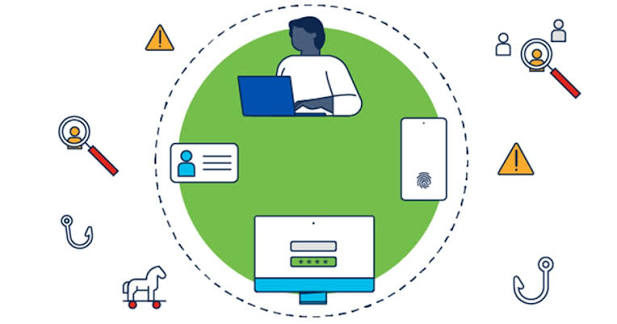
Understanding Malware Threats in the Modern World
Malware remains one of the most serious threats to organizations worldwide. It can enter systems through emails, downloads, or even trusted websites. Once inside, malware can steal sensitive data, disrupt operations, or allow attackers to control infected devices.
Traditional security tools often struggle to keep up with the rapid evolution of malware. Cybercriminals constantly update their tactics, making it hard for static defenses to detect new threats. This is where advanced solutions become necessary for effective protection.
The impact of malware can be significant. Some attacks lead to data breaches, resulting in financial losses and reputational damage. Ransomware, a form of malware, can lock organizations out of their own systems until a ransom is paid. Businesses of all sizes are at risk, making strong defenses more important than ever.
With remote work and cloud adoption on the rise, malware threats have become even more complex. Attackers may target remote endpoints or cloud-based applications. As a result, organizations need security solutions that can adapt quickly and provide coverage across all devices and locations.
The Role of AI in Endpoint Security
AI-based endpoint monitoring uses machine learning to identify unusual patterns and behaviors on devices. Unlike older systems that rely on known signatures, AI can spot threats never seen before. This proactive approach helps organizations stay ahead of cybercriminals.
Learn more about AI powered cybersecurity for endpoint protection and how it improves detection and response capabilities. AI tools analyze vast amounts of data from multiple endpoints and can quickly flag suspicious activity for further investigation.
Machine learning models can study user habits, system processes, and network traffic. When these models detect behavior that does not fit the norm, they can trigger alerts or even take automatic action. AI can also help reduce false positives, so security teams spend less time chasing harmless events and more time focusing on real threats.
According to a report by the European Union Agency for Cybersecurity (ENISA), the use of AI in security operations has led to faster detection and response times. AI-powered systems can process huge amounts of event data in real time, something that would be impossible for human analysts alone. This increased speed and accuracy are crucial for stopping malware before it spreads.
How AI-Based Monitoring Detects Malware
AI-based systems monitor endpoints for signs of compromise, such as unexpected file changes or abnormal network connections. These tools use algorithms to compare current activity with established baselines. If something appears out of the ordinary, an alert is raised before major damage occurs.
Recent studies from the National Institute of Standards and Technology (NIST) show that AI-driven security solutions help reduce the time to detect and respond to threats. For more details, visit the official NIST guide on malware prevention.
AI-based monitoring can also identify patterns that suggest a coordinated attack, such as simultaneous activity across multiple devices. By connecting these dots, AI provides a broader view of potential threats. This capability is especially useful for detecting advanced persistent threats (APTs), which may try to remain hidden within a network for long periods.
In addition, AI can spot malware that uses new techniques to bypass traditional security. For example, fileless malware operates in memory rather than writing files to disk, making it hard to detect. AI models are better equipped to notice the unusual behavior this type of malware causes, helping organizations catch these threats early.
Benefits of AI-Powered Endpoint Protection
AI-based monitoring offers several advantages over traditional security. First, it can detect zero-day threats that signature-based tools miss. Second, it automates many tasks, reducing the burden on cybersecurity teams. Third, AI systems can learn and adapt over time, improving their accuracy.
According to the Cybersecurity & Infrastructure Security Agency (CISA), AI can help organizations respond faster to new threats. See the CISA recommendations for endpoint security.
Another benefit is scalability. AI-based solutions can monitor thousands of endpoints at once, making them suitable for both small businesses and large enterprises. Automated responses, such as isolating an infected device from the network, help limit the spread of malware.
AI can also support compliance efforts. Many regulations require organizations to quickly detect and respond to security incidents. By improving detection and response times, AI-based monitoring helps meet these requirements and reduces the risk of costly fines or penalties.
A study by MIT researchers found that organizations using AI in their endpoint security saw a reduction in successful attacks and improved recovery times. This shows the real-world value of investing in AI-based security tools.
Challenges and Best Practices in AI-Based Endpoint Security
While AI brings many benefits, it is not a complete solution on its own. Organizations must ensure their AI models are trained on accurate and diverse data. Regular updates and monitoring are essential to maintain effectiveness.
Experts recommend combining AI-based tools with user education and strong access controls. This layered approach helps reduce risks from both automated and human-driven attacks. For further reading, the SANS Institute provides best practices for endpoint protection.
Privacy and ethical considerations are also important. Organizations must be transparent about how AI monitors endpoints and ensures that sensitive personal data is protected. Following industry guidelines and consulting legal experts can help address these concerns.
Another challenge is the risk of adversarial attacks, where cybercriminals attempt to trick AI systems. Regularly testing AI models and updating them with the latest threat intelligence helps reduce this risk. Collaboration with academic institutions and government agencies can provide valuable resources and insights for keeping AI-based defenses strong.
Implementing AI-Based Endpoint Monitoring in Your Organization
To get started, organizations should assess their current security posture and identify gaps. Deploying AI-based monitoring tools across all endpoints is key. Regular testing and updates help ensure these tools remain effective against the latest threats.
It is important to train staff on how to respond to alerts generated by AI systems. A clear incident response plan minimizes the impact of malware attacks and keeps operations running smoothly.
Organizations may also want to run pilot programs before a full rollout. This allows them to evaluate how AI-based monitoring works in their specific environment and make adjustments as needed. Working with external experts or consultants can provide guidance on best practices and help avoid common pitfalls.
Public resources, such as the Department of Homeland Security’s guidance on endpoint security, can provide additional support. Regularly reviewing industry developments ensures that organizations stay informed about emerging threats and the latest security techniques.
Conclusion
AI-based endpoint monitoring is a vital component in the fight against malware. By continuously analyzing device activity and identifying suspicious behavior, AI helps organizations detect and stop attacks early. Combining AI with strong security policies and user awareness provides the best defense against modern cyber threats.
FAQ
What is AI-based endpoint monitoring?
AI-based endpoint monitoring uses artificial intelligence algorithms to watch for unusual activity on devices. It helps identify and stop malware attacks by analyzing patterns and behaviors in real time.
How does AI improve malware detection?
AI can recognize new and unknown threats by looking for suspicious behavior, not just relying on known malware signatures. This allows for faster and more accurate detection.
Is AI-based endpoint protection suitable for small businesses?
Yes, AI-based endpoint protection can scale to fit organizations of any size. Small businesses benefit from automated monitoring and quicker response to threats.
Can AI stop all types of malware?
While AI improves detection, no system can stop every threat. It should be used alongside other security measures like firewalls, regular updates, and user training.
Do AI systems need regular updates?
Yes, AI systems should be updated with new data and threat intelligence to stay effective against evolving malware techniques.