

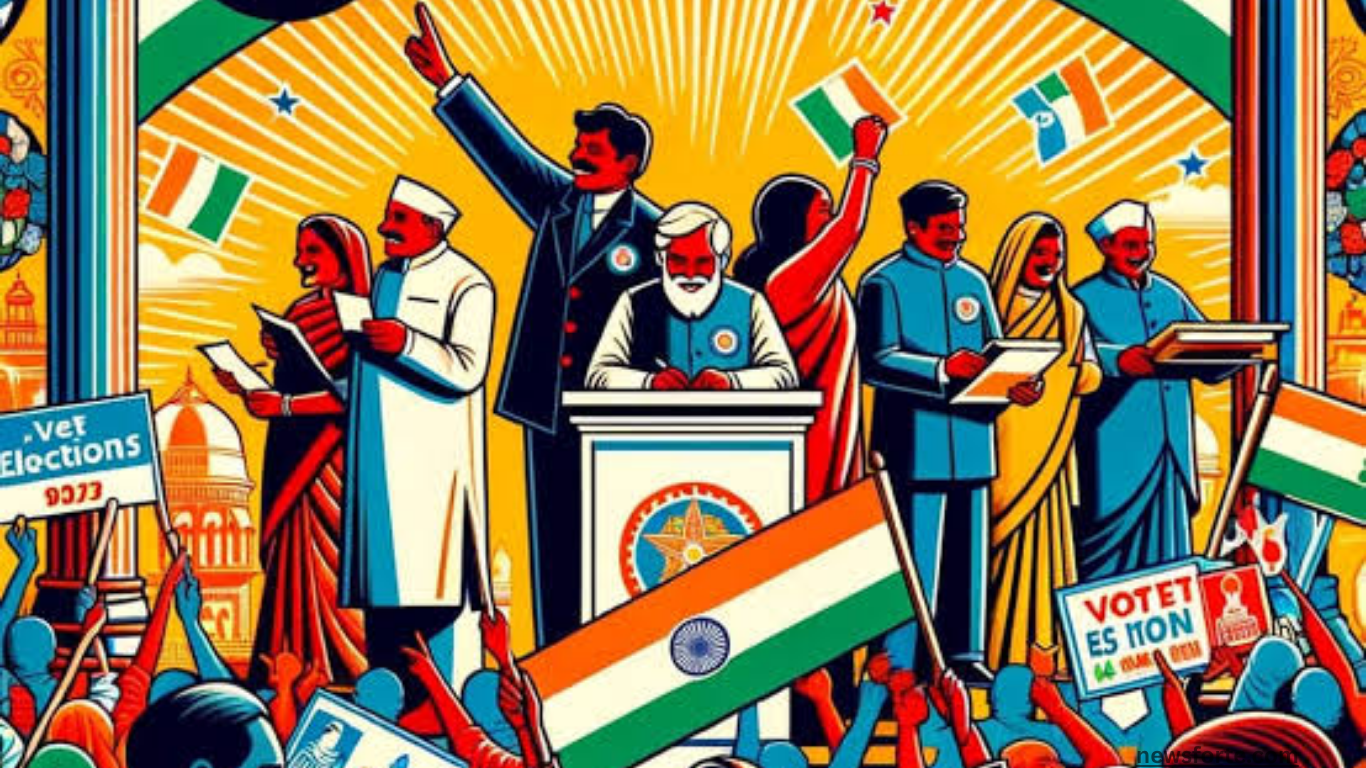
As the calendar edges closer to polling day, election campaigns are intensifying across the country in ways that are hard to ignore. Billboards line the highways, candidates crisscross the map for back-to-back rallies, and social media feeds are flooded with campaign messaging at all hours.
This surge of activity signals something bigger than routine politics—it reflects just how much is riding on this particular vote. Whether you follow politics closely or only tune in during election season, the intensity building up right now is worth understanding.
This article breaks down why election campaigns intensify the way they do, what strategies parties are using this time around, and how voters can navigate the noise to make informed decisions.
Why Election Campaigns Intensify in the Final Stretch
Every election has a rhythm. Early on, campaigns move at a measured pace, testing messages and building organizational infrastructure. But as election campaigns intensify in the weeks leading up to the vote, that pace shifts dramatically. Campaign teams know that undecided voters typically make up their minds in the final stretch, so resources get funneled toward maximizing visibility and persuasion during this window.
This final push isn’t random. It’s the product of careful strategic planning, data analysis, and years of political experience showing that late momentum can swing close races. Candidates who appeared confident and composed months ago often become far more aggressive and hands-on as the vote nears, because they understand that hesitation at this stage can cost them the election.
The Role of Media Coverage
Media outlets play a significant role in amplifying campaign intensity. As election day approaches, news coverage shifts from broad policy discussions to closer scrutiny of candidates, their records, and their public statements. Debates, town halls, and press conferences become more frequent, giving voters more opportunities to compare candidates directly.
This heightened media attention creates a feedback loop. Campaigns respond to press coverage with sharper messaging, and journalists respond to that messaging with even more coverage. The result is an accelerating cycle that keeps the election at the center of public conversation right up until voting day.
Grassroots Mobilization Efforts
Beyond the media spotlight, grassroots organizing has become one of the most powerful tools in modern campaigning. Volunteers go door to door, phone banks run late into the evening, and community events are organized to build direct relationships between candidates and voters. This kind of face-to-face engagement often proves more persuasive than any advertisement, because it feels personal rather than manufactured.
Local organizers understand their neighborhoods in ways that national campaign strategists simply cannot replicate. As a result, many campaigns now invest heavily in local coordinators who can tailor outreach to the specific concerns of individual communities, whether that’s economic anxiety, healthcare access, education funding, or public safety.
How Campaign Strategies Are Evolving This Election Cycle
Campaign tactics have changed considerably over the past decade, and this election cycle is no exception. Digital advertising, once a secondary tool, now sits at the center of most campaign budgets. Candidates use targeted online ads to reach specific demographics with tailored messages, something that would have been impossible in earlier eras of politics dominated purely by television and print.
Social media platforms have also become battlegrounds in their own right. Campaigns not only advertise on these platforms but actively monitor public sentiment, respond to viral moments, and adjust messaging in near real time. This responsiveness allows candidates to stay relevant amid a fast-moving news cycle, but it also means campaigns must be prepared to manage controversies or misinformation that can spread within hours.
Key Tactics Campaigns Are Using Right Now
A few strategies stand out as particularly common this election season:
– Hyper-targeted digital advertising based on voter data and browsing behavior
– Increased frequency of town halls and community forums in swing regions
– Coordinated volunteer networks focused on door-to-door outreach
– Rapid-response communications teams countering misinformation in real time
– Strategic use of endorsements from local leaders and trusted community figures
These tactics reflect a broader shift toward personalization in political communication. Voters today expect messaging that speaks directly to their concerns, rather than generic slogans that could apply to any candidate in any race.
The Growing Importance of Swing Regions
Not all areas receive equal campaign attention. Competitive regions, often referred to as swing areas, tend to absorb the bulk of campaign resources because they are seen as decisive in determining the overall outcome. Candidates and their surrogates make repeated visits to these regions, often multiple times in a single week during the final campaign push.
This concentrated attention can be a double-edged sword for voters in these areas. On one hand, they receive far more direct engagement from candidates and campaign staff. On the other, they also face an overwhelming volume of advertising and outreach, which can make it harder to separate substantive policy discussion from pure political theater.
What Voters Should Watch For as the Vote Approaches
With so much noise surrounding the election, it can be difficult for voters to know where to focus their attention. One useful approach is to prioritize primary sources over secondhand commentary. Watching a debate directly, reading a candidate’s published policy platform, or attending a local town hall can offer clearer insight than relying solely on campaign advertisements or partisan commentary.
It also helps to pay attention to how candidates respond under pressure. The final stretch of any campaign often reveals more about a candidate’s temperament and priorities than the polished messaging seen earlier in the race. Unscripted moments, whether in interviews or public appearances, tend to be more revealing than carefully rehearsed talking points.
Understanding Misinformation Risks
As campaigns intensify, so does the risk of misinformation spreading rapidly through social media and messaging apps. Fabricated quotes, misleading statistics, and manipulated images can circulate widely before fact-checkers have a chance to respond. Voters who want accurate information should rely on established news organizations and official campaign sources rather than unverified posts shared by acquaintances or anonymous accounts.
Being skeptical of sensational claims, especially those that seem designed purely to provoke an emotional reaction, is one of the simplest ways to avoid falling for false information during this critical period.
The Bigger Picture: Why This Vote Matters
Every election carries its own stakes, but this particular vote has drawn unusually high levels of public engagement. Voter registration numbers, early turnout figures, and public interest surveys all suggest that citizens are paying closer attention than they have in previous cycles. This heightened interest is part of why election campaigns intensify so noticeably this time around—candidates are responding to an electorate that appears genuinely invested in the outcome.
Economic concerns, questions about governance, and debates over long-term national priorities are shaping much of the discourse. These issues resonate differently depending on region, age group, and personal circumstance, which is part of why campaign messaging has become so finely tuned to specific audiences rather than relying on one-size-fits-all appeals.
Ultimately, the intensity surrounding this election reflects a broader truth about democratic participation: when people feel that their vote genuinely matters, engagement rises on all sides, from candidates to volunteers to everyday citizens deciding how to cast their ballot.
Frequently Asked Questions
Why do election campaigns intensify closer to voting day?
Campaigns intensify because undecided voters typically make final decisions in the last stretch, prompting parties to maximize outreach and visibility during this window.
What role does social media play in modern campaigns?
Social media allows campaigns to target specific voter groups, respond to news quickly, and manage public sentiment in real time, making it a central campaign tool today.
Why do candidates focus so heavily on swing regions?
Swing regions are often decisive in close elections, so campaigns concentrate resources there to maximize their chances of winning enough support to affect the overall result.
How can voters avoid misinformation during election season?
Voters should rely on established news sources and official campaign materials, and remain cautious of unverified claims shared through social media or messaging apps.
Are debates still important in influencing voters?
Yes, debates remain valuable because they show candidates responding under pressure, often revealing more than scripted campaign messaging.
Why has grassroots organizing become more prominent?
Grassroots efforts create personal, direct engagement with voters, which many studies suggest is more persuasive than mass advertising alone.
What should voters prioritize when researching candidates?
Voters should prioritize primary sources, such as official policy platforms and direct statements, over secondhand commentary or partisan interpretations.
Conclusion
As election campaigns intensify in these final weeks, voters are witnessing the full machinery of modern political strategy in action—from targeted digital advertising to grassroots door-knocking efforts. Understanding why this intensity builds, and how to navigate it with a critical eye, empowers citizens to make informed choices rather than simply reacting to the loudest messages in their feed. Regardless of where a person stands politically, staying informed through credible sources and direct engagement remains the best way to participate meaningfully in this pivotal national vote.