

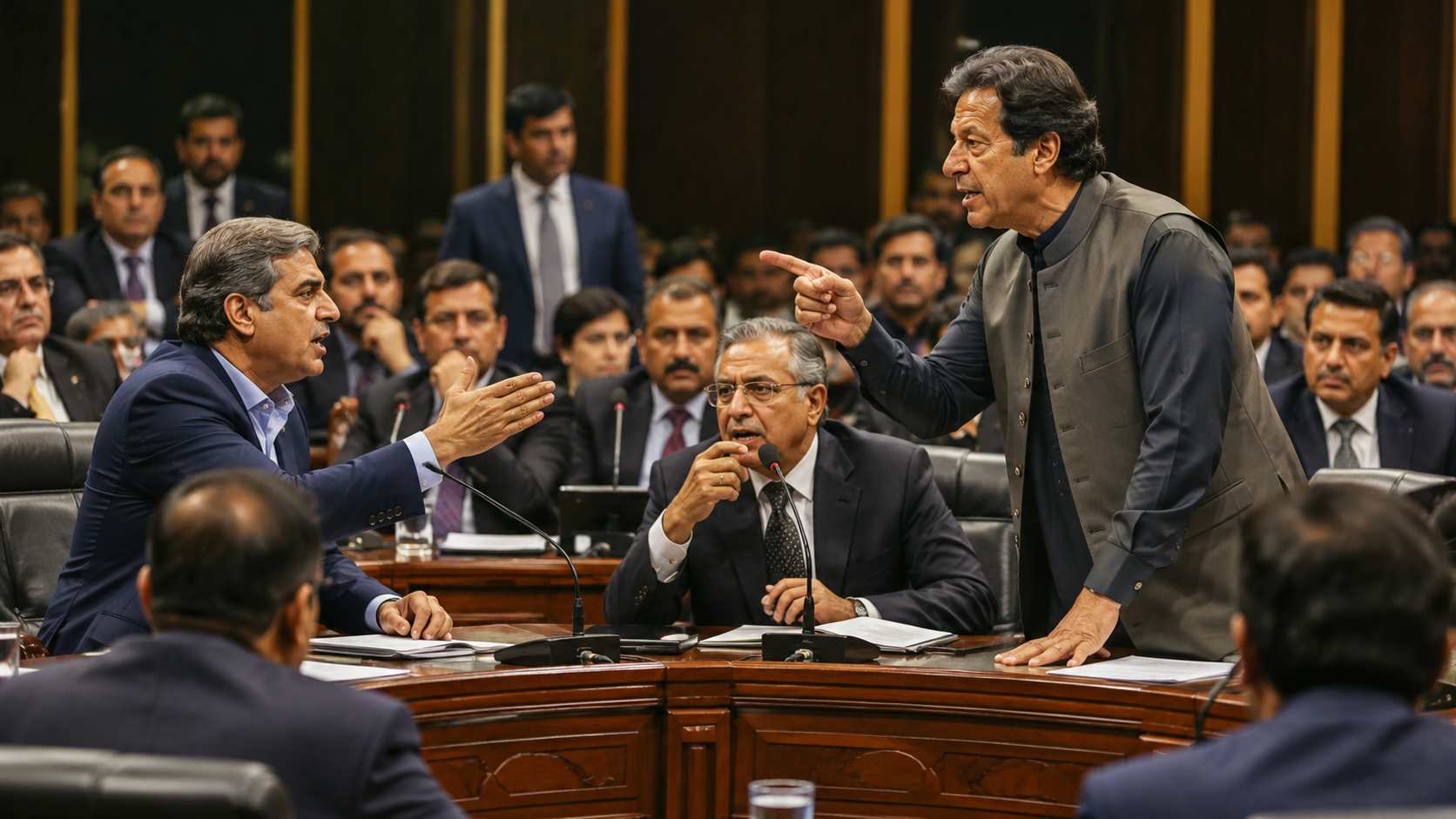
Legislative chambers are rarely quiet places, but every so often a single session captures public attention in a way that goes far beyond the usual back-and-forth. That is exactly what happened when political leaders debate new policies during a heated session that quickly turned into one of the most talked-about political moments in recent memory.
Raised voices, pointed accusations, and passionate defenses of long-held positions filled the room, drawing in not just lawmakers but citizens, journalists, and analysts who watched the proceedings unfold in real time. What made this session so significant wasn’t simply the intensity of the exchanges. It was the substance behind them.
The policies under discussion touch nearly every corner of public life, from economic reform to social welfare programs, and the outcome of these debates could shape the direction of governance for years to come. In this article, we’ll break down what happened, why tensions ran so high, and what it all means for the people watching from outside the chamber walls.
Setting the Stage: Why This Session Was Different
Every legislative season brings its share of disagreements, but this particular gathering stood out from the start. Leaders arrived already aware that the policies on the agenda were contentious, and many had spent weeks preparing arguments, rallying supporters, and briefing their parties on strategy. The room was tense before a single word was spoken.
Political observers had predicted friction, but few anticipated just how heated the discussions would become. Reporters covering the event described an atmosphere thick with anticipation, as competing factions took their seats knowing that compromise would be difficult to reach. This backdrop is essential to understanding why, when political leaders debate new policies during a heated session, the stakes often extend well beyond the specific proposals on the table.
The Policies at the Center of the Debate
At the heart of the session were several proposed reforms touching on taxation, public spending, healthcare access, and regulatory oversight. Each of these areas carries significant weight for everyday citizens, which explains why emotions ran so high among the leaders representing different constituencies and ideological camps.
Supporters of the proposed changes argued that reform was long overdue, pointing to years of stagnant policy frameworks that no longer reflect the needs of a changing population. Opponents countered that the proposals were rushed, poorly funded, or likely to create unintended consequences that would burden taxpayers and businesses alike. This fundamental disagreement over both the substance and the timing of the reforms set the tone for everything that followed.
Inside the Chamber: How the Debate Unfolded
From the opening remarks, it was clear that this would not be a routine legislative discussion. Leaders on both sides used their allotted speaking time not just to outline their positions but to directly challenge one another, often interrupting standard procedure to respond to claims made by opposing speakers.
At several points, the presiding officer had to call for order as exchanges grew heated, with some lawmakers accusing others of misrepresenting facts or ignoring the concerns of their constituents. These moments, while uncomfortable to witness, are not unusual in high-stakes political environments. They reflect the genuine passion that many public officials bring to issues they believe will define their legacy and their communities.
Key Moments That Defined the Session
A few specific exchanges stood out as particularly memorable. One leader delivered an impassioned speech linking the proposed economic reforms to broader questions of fairness and generational responsibility, arguing that failing to act now would leave future citizens worse off. Another responded with an equally forceful rebuttal, warning that hasty policy changes could destabilize markets and erode public confidence in government institutions.
These back-and-forth moments illustrate why, whenever political leaders debate new policies during a heated session, the resulting coverage tends to focus as much on tone and delivery as it does on the technical details of the proposals themselves. Passion and conviction, after all, are often what make political theater so compelling to watch.
The Core Arguments: Breaking Down Both Sides
To understand the debate fully, it helps to separate the emotional intensity of the session from the underlying policy arguments. Both sides brought legitimate concerns to the table, even if their conclusions differed sharply.
The Case for Reform
Those pushing for the new policies argued that existing frameworks have failed to keep pace with economic and social changes. They pointed to rising costs of living, gaps in healthcare access, and outdated regulatory structures as evidence that meaningful reform is not just desirable but necessary. Supporters framed their proposals as a way to modernize governance and ensure that public institutions remain responsive to the needs of ordinary citizens.
Proponents also emphasized the importance of acting decisively rather than allowing problems to fester. They argued that delaying reform simply shifts the burden onto future generations, making eventual solutions more expensive and more disruptive than if action were taken now.
The Case for Caution
On the other side, critics of the proposed changes raised concerns about implementation costs, potential unintended consequences, and the speed at which the reforms were being introduced. Many argued that policies of this magnitude deserve more thorough analysis, additional public consultation, and a clearer understanding of long-term fiscal impact before being enacted.
Skeptics also questioned whether the proposed funding mechanisms were realistic, warning that overly optimistic projections could leave gaps that taxpayers would ultimately have to fill. This tension between the desire for progress and the need for fiscal responsibility is a recurring theme in political debates of this nature, and it played out clearly throughout the session.
Public and Media Reaction
As news of the heated exchanges spread, public reaction was swift and varied. Social media platforms filled with commentary, much of it split along familiar political lines. Supporters of the reforms praised the leaders who pushed hardest for change, framing their persistence as a sign of genuine commitment to public welfare. Critics, meanwhile, expressed frustration at what they viewed as political grandstanding rather than substantive policymaking.
Traditional media outlets also weighed in, with editorial boards offering competing interpretations of the session’s significance. Some framed the debate as a healthy example of democratic engagement, arguing that vigorous disagreement is a sign of a functioning political system rather than dysfunction. Others expressed concern that the tone of the discussion reflected a broader erosion of civility in public discourse.
Why Public Perception Matters
Public perception plays a critical role in shaping how policy debates ultimately resolve. When political leaders debate new policies during a heated session, the way that debate is perceived by the public can influence everything from voter sentiment to the willingness of undecided lawmakers to support or oppose specific measures. Leaders are often acutely aware of this dynamic, which helps explain why so much of the session felt performative at times, even as genuine policy disagreements remained at its core.
Analysts note that sessions like this one tend to have a lasting impact on public trust. When debates are perceived as constructive, even if contentious, citizens are more likely to feel that their concerns are being represented. When debates devolve into personal attacks or appear disconnected from practical outcomes, public confidence in political institutions can suffer.
What Happens Next: The Path Forward
Following the session, attention has shifted to what comes next in the legislative process. Committees are expected to review the proposed policies in greater detail, incorporating feedback from the heated floor debate into revised drafts. This next phase will likely involve closed-door negotiations, expert testimony, and additional rounds of public comment before any final votes take place.
Several possible outcomes remain on the table. Lawmakers could reach a compromise that incorporates elements from both sides of the debate, a common outcome in situations where neither faction holds a decisive majority. Alternatively, the proposals could stall entirely if negotiators are unable to bridge the gap between competing priorities, leaving the issues unresolved for a future legislative session.
Factors That Could Influence the Outcome
A number of factors are likely to shape how this policy debate ultimately resolves:
The level of public pressure applied through advocacy campaigns, media coverage, and constituent outreach
The willingness of party leadership to negotiate compromises rather than insist on original proposals
These two factors, more than any single speech or exchange from the session itself, will likely determine whether the proposed reforms move forward, are significantly altered, or fail to gain enough support to pass.
Lessons From the Heated Session
Beyond the specific policies at stake, this session offers broader lessons about how political debate functions in practice. It’s a reminder that disagreement, even sharp disagreement, is not inherently a sign of failure. Democratic systems are built on the premise that competing ideas will be tested through open discussion, and heated exchanges are often a natural byproduct of leaders genuinely fighting for positions they believe will benefit their constituents.
At the same time, the session highlights the importance of maintaining a baseline of respect and procedural order, even amid intense disagreement. When political leaders debate new policies during a heated session, the credibility of the process depends on ensuring that passionate advocacy doesn’t tip over into obstruction or personal animosity that prevents meaningful progress.
How Citizens Can Stay Engaged
For everyday citizens trying to make sense of these developments, staying informed is the most valuable tool available. Following credible news sources, reading original policy proposals rather than relying solely on secondhand summaries, and engaging with local representatives can all help individuals form well-rounded opinions rather than reacting purely to the emotional tenor of a single debate.
Public engagement also sends an important signal to lawmakers. When constituents actively follow policy debates and communicate their views, it reinforces the idea that these decisions carry real consequences for real people, which can encourage more thoughtful and less performative political behavior in future sessions.
Frequently Asked Questions
What caused the heated session among political leaders?
The session grew tense due to sharp disagreements over proposed reforms in taxation, healthcare, and regulatory policy, with leaders holding strongly opposing views on both substance and timing.
Are heated political debates normal in legislative sessions?
Yes, vigorous disagreement is a common feature of democratic systems, especially when the policies under discussion carry significant long-term consequences.
What are the main arguments in favor of the proposed policies?
Supporters argue the reforms are necessary to modernize outdated systems, address rising costs, and prevent problems from worsening for future generations.
What concerns do critics have about the new policies?
Critics worry about implementation costs, unrealistic funding assumptions, and the pace at which the reforms are being pushed through without sufficient analysis.
How has the public reacted to the debate?
Public reaction has been mixed, with strong support and criticism split largely along existing political lines, reflecting broader societal divisions on these issues.
What happens next in the legislative process?
The proposals will likely move to committee review, where lawmakers will negotiate revisions before any final votes are scheduled.
How can citizens stay informed about these policy debates?
Following credible news sources, reviewing original policy documents, and communicating with local representatives are effective ways to stay engaged and informed.
Conclusion
Sessions where political leaders debate new policies during a heated session tend to dominate headlines precisely because they reveal so much about the stakes involved in governance. Behind the raised voices and pointed rebuttals lies a genuine struggle over how best to address complex challenges affecting millions of people. Whether the proposed reforms ultimately succeed, fail, or emerge in a modified form, the passionate debate itself underscores just how seriously these issues are being taken by those in positions of power.