

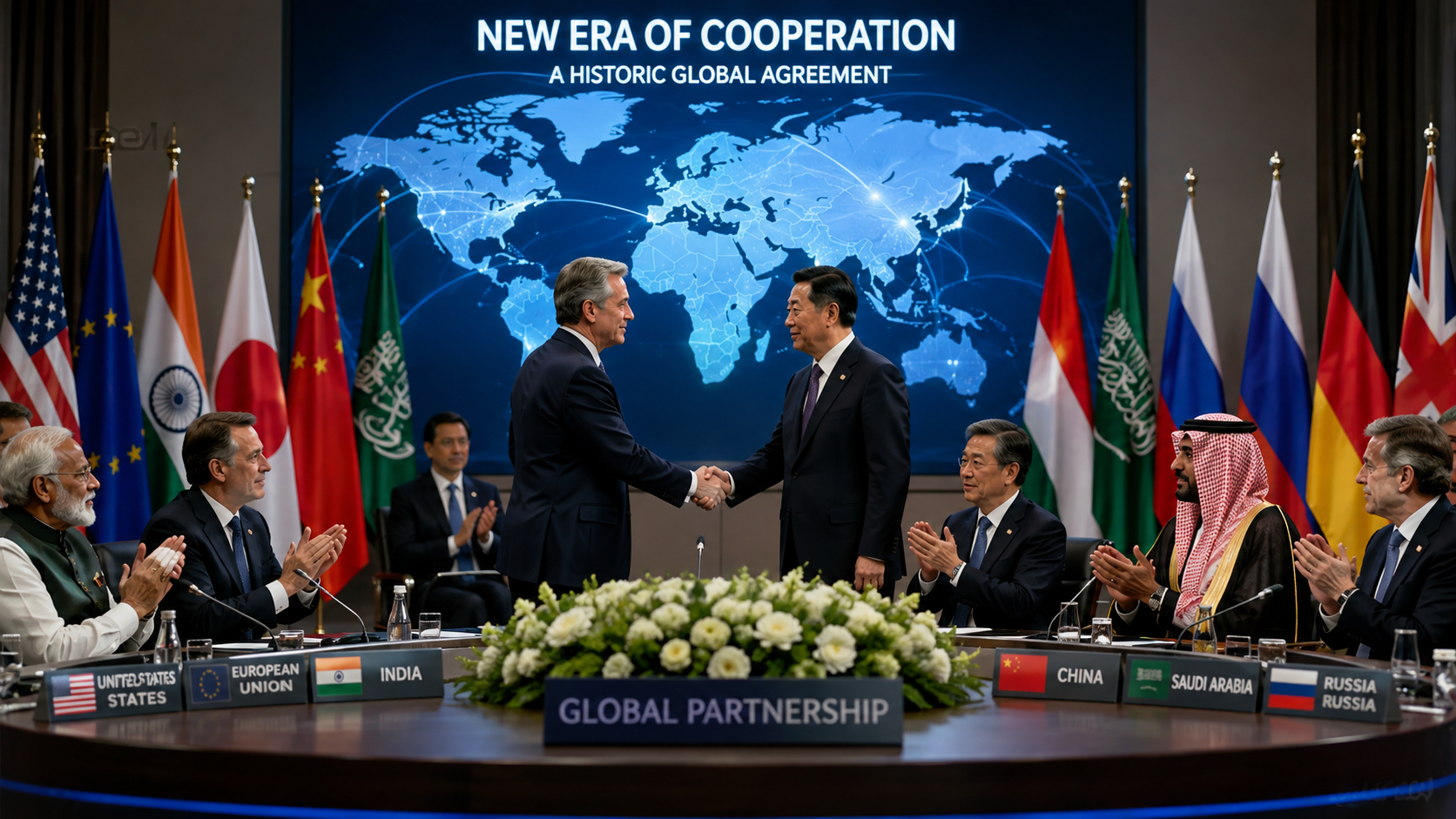
The world of international diplomacy rarely stands still, but every so often, a single agreement changes the entire map of global relationships. When global political alliances shift following a historic agreement, the ripple effects touch everything from trade routes to military partnerships to the everyday lives of citizens who may never read the fine print of a treaty.
This kind of moment doesn’t happen often. Most diplomatic developments are incremental, quiet, and easy to overlook. But a historic agreement is different. It forces nations to reconsider decades-old commitments, reevaluate old rivalries, and sometimes rewrite the rules of engagement entirely. Understanding why these shifts happen, and what they mean going forward, helps make sense of a world that can otherwise feel unpredictable.
In this article, we’ll break down what drives global political alliances to shift, how historic agreements reshape the balance of power, and what patterns tend to repeat themselves throughout history. Whether you’re following current events casually or trying to understand the bigger picture of geopolitics, this guide will walk you through the key dynamics at play.
Why Global Political Alliances Shift in the First Place
Alliances between nations are rarely permanent. They’re built on shared interests, and interests change. A country that was once a natural partner in trade or security can become a competitor once economic priorities evolve or new leadership takes charge.
Global political alliances shift for a handful of recurring reasons. Economic pressure is often the biggest driver, since nations tend to align with partners who can offer stability, resources, or market access. Security concerns come next, as countries look for protection against shared threats or emerging rivals. Ideological alignment also plays a role, though it tends to matter less than practical necessity when push comes to shove.
A historic agreement often acts as a catalyst rather than a cause. It doesn’t create tension out of nowhere; it responds to pressure that has been building for years. Once the agreement is signed, though, it becomes the visible marker that historians and analysts point to when explaining why the old order gave way to something new.
The Role of Trust in Diplomatic Relationships
Trust is the quiet currency of international relations. Nations don’t need to like each other to work together, but they do need to believe that agreements will be honored. When trust erodes, even long-standing alliances start to weaken.
A historic agreement can either rebuild that trust or expose how fragile it had become. In some cases, the signing itself becomes a signal to other nations that the geopolitical landscape is officially shifting, prompting a wave of related realignments among countries watching from the sidelines.
How a Historic Agreement Triggers Broader Realignment
When two or more major powers sign a landmark deal, the effects rarely stay contained to those parties. Other nations pay close attention, recalculating their own positions based on what the agreement means for regional balance and global influence.
This is where the phrase “global political alliances shift” really comes into play. A single agreement can prompt smaller nations to reconsider long-standing partnerships, especially if they feel their previous allies are no longer offering the same level of support or protection. Some countries respond by strengthening ties with the newly aligned powers, while others move in the opposite direction, seeking out alternative partnerships to maintain balance.
Trade is usually one of the first areas affected. New agreements often come with revised tariffs, updated market access, and fresh investment opportunities, all of which ripple outward to affect countries not directly involved in the original deal. Security arrangements follow closely behind, particularly in regions where military cooperation was tied to the old alliance structure.
Economic Ripple Effects
Markets tend to react quickly to major diplomatic news, and historic agreements are no exception. Currency values can shift, trade volumes can spike or drop, and entire industries may need to adjust their strategies based on new import and export rules.
Businesses operating across borders often watch these developments closely, since a shift in political alliances can mean new tariffs, changed regulations, or entirely new markets opening up. Investors, too, tend to reposition portfolios in anticipation of how the agreement might affect long-term economic stability in the involved regions.
Security and Defense Implications
Military alliances are often the most sensitive part of any diplomatic shift. Countries that previously relied on mutual defense agreements may find themselves reassessing their security posture once a historic agreement changes the regional balance of power.
This doesn’t always mean conflict is on the horizon. In many cases, it simply means defense spending gets reallocated, joint military exercises get renegotiated, or intelligence-sharing arrangements get updated to reflect the new political reality.
Historical Patterns Behind Major Alliance Shifts
Looking back at history offers useful context for understanding today’s headlines. Major shifts in global alliances have happened before, and they tend to follow recognizable patterns, even if the specific details differ from era to era.
Post-war periods have historically produced some of the most dramatic realignments, as nations rebuild and reassess their priorities once immediate conflict fades. Economic downturns have also triggered alliance shifts, since financial strain often pushes countries to seek new partners who can offer better trade terms or investment support. Leadership transitions matter too, since a new government can bring a completely different diplomatic philosophy than its predecessor.
What makes the current moment worth watching is how quickly information now travels. Diplomatic developments that once took months to fully understand are now analyzed and debated within hours, which means public perception can shift almost as fast as the alliances themselves.
Here are two of the most common patterns that tend to emerge whenever global political alliances shift following a historic agreement:
- Regional bloc formation, where neighboring countries band together to strengthen their collective bargaining power in response to a larger shift.
- Bilateral hedging, where nations maintain relationships with multiple, sometimes opposing, powers to avoid being caught off guard by future realignments.
What This Means for Everyday People
It’s easy to think of geopolitics as something that happens far removed from daily life, but the effects of a historic agreement often show up in surprisingly practical ways. Prices at the grocery store, the cost of imported goods, job opportunities in export-driven industries, and even travel visa policies can all be influenced by changes in political alliances.
Small businesses that rely on international suppliers may notice changes in shipping costs or availability. Students hoping to study abroad might find new scholarship opportunities or, conversely, new restrictions depending on how relationships between their home country and their destination country have evolved. Even something as simple as currency exchange rates when planning a vacation can trace back to a diplomatic agreement signed months earlier.
Understanding these connections helps put global news into a more personal context. It’s not just about which countries are shaking hands on a stage; it’s about how those handshakes eventually touch the lives of people who never saw the signing ceremony.
How Nations Typically Respond to Shifting Alliances
Not every country reacts the same way when the geopolitical landscape changes. Some nations move quickly to align themselves with emerging power centers, hoping to secure favorable positioning before the new order fully sets in. Others take a more cautious approach, waiting to see how the agreement plays out before making any binding commitments of their own.
Smaller nations, in particular, often face difficult choices. They may lack the leverage to negotiate favorable terms with either side of a major realignment, which pushes them toward careful diplomatic balancing acts. Larger powers, meanwhile, tend to use these moments to expand their sphere of influence, offering incentives to smaller nations willing to align with their vision going forward.
This dynamic explains why a single historic agreement can trigger a cascade of smaller deals, treaties, and partnerships in the months that follow. Each new arrangement builds on the last, gradually reshaping the broader map of global alliances until a new equilibrium is reached.
The Road Ahead: What to Watch For
Predicting exactly how global political alliances will continue to shift is nearly impossible, but there are a few signals worth paying attention to. Diplomatic visits between previously distant nations often hint at behind-the-scenes negotiations. Changes in trade volume between specific countries can signal quiet realignment before it becomes official. Statements from political leaders, especially around international summits, frequently offer early clues about where relationships are heading.
It’s also worth watching how existing alliances respond to the new agreement. Do they reaffirm their commitments publicly, or do they stay noticeably quiet? Silence can sometimes speak louder than a formal statement, especially in diplomatic circles where every word is carefully chosen.
As this story continues to develop, staying informed means looking beyond the headlines to understand the underlying motivations driving each nation’s decisions. Global political alliances shift for reasons that are often practical rather than dramatic, and recognizing that can make the news far easier to interpret.
Frequently Asked Question
Why do global political alliances shift after a major agreement?
They shift because nations recalculate their interests based on new trade terms, security arrangements, or shifts in regional power created by the agreement.
Does a historic agreement always lead to conflict?
No. Most alliance shifts are peaceful and involve renegotiated trade or diplomatic terms rather than military tension.
How long does it take for alliance shifts to fully play out?
It varies widely, but noticeable changes in trade, diplomacy, and security policy often unfold over several months to a few years.
Who is most affected by shifting global alliances?
Smaller nations without strong independent leverage are often the most affected, since they must adapt quickly to new power dynamics.
Can ordinary citizens feel the impact of these shifts?
Yes, through changes in prices, job markets, travel policies, and access to imported goods tied to international trade relationships.
Are alliance shifts a new phenomenon?
Not at all. History shows recurring patterns of realignment following wars, economic shifts, and changes in political leadership.
How can I stay informed about these developments?
Following credible international news sources and paying attention to trade data, diplomatic statements, and summit outcomes is a reliable way to track ongoing changes.
Conclusion
Global political alliances shift following a historic agreement because the world of diplomacy is built on shifting interests, not permanent loyalty. What looks like a sudden change on the news is usually the visible result of pressures that had been building quietly for years. Understanding these shifts requires looking past the headlines and asking deeper questions: What does each nation stand to gain or lose? Who benefits from the new arrangement, and who is left recalculating their next move? These are the questions that turn confusing geopolitical news into a story that actually makes sense.