

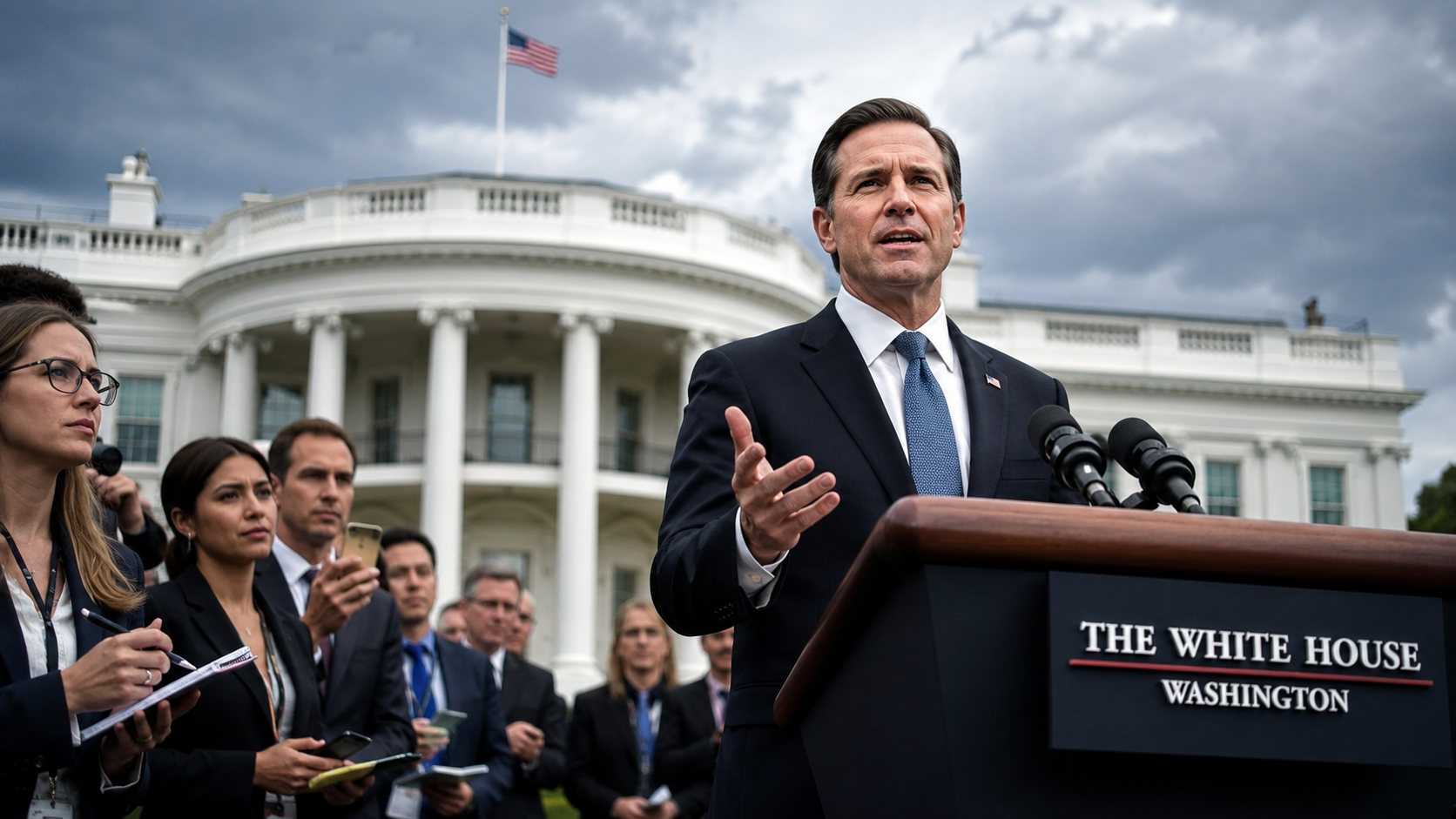
Global headlines rarely stay quiet for long, and this summer has been no exception. From energy markets rattled by conflict in the Middle East to sharp diplomatic pushback following a major U.S. military intervention in Latin America, the world has been watching Washington closely.
In response, the White House has found itself addressing a wave of international concerns on multiple fronts at once, ranging from economic stability to questions about America’s role on the world stage. This isn’t a single-issue story. It’s a moment where several pressures are converging: energy security, trade relationships, military engagement, and the broader question of how allies and rivals alike interpret U.S. intentions.
When the White House responds to growing international concerns, it’s rarely with one statement or one policy. It’s a pattern of decisions, briefings, and diplomatic signals that together shape how the rest of the world sees American leadership right now.
Why International Concerns Are Growing Right Now
It helps to start with the “why” before getting into the “what.” Several distinct but overlapping developments have combined to put the White House under sustained international scrutiny.
Renewed Tensions With Iran
One of the most immediate drivers has been renewed conflict involving Iran. As tensions escalated, concerns quickly spread beyond the region itself and into global energy markets. <cite index=”1-1″>Reports indicate the White House has been weighing another extension of waivers that allow foreign ships to transport goods between U.S. ports, a move tied directly to concerns about energy prices and supply disruptions stemming from the renewed conflict.</cite>
That detail matters more than it might seem at first glance. <cite index=”3-1″>The administration has reportedly been considering extending those waivers with geographic restrictions that would limit where foreign-flagged vessels can operate between U.S. ports, as officials try to preserve a tool they believe has helped ease supply pressures.</cite> At the same time, this approach has drawn pushback domestically, since <cite index=”3-1″>it has also faced criticism from maritime industry groups and some Republican allies who worry about the long-term implications of loosening shipping rules.</cite>
So even as the White House works to reassure international partners and stabilize energy markets, it’s also managing friction at home over how best to do that. This is the kind of balancing act that defines a lot of modern foreign policy: what calms one audience can unsettle another.
The Fallout From the Venezuela Intervention
Perhaps the most consequential source of international concern has been the U.S. intervention in Venezuela. Global reaction has been sharply divided, and that division tells its own story about where the world currently stands on American military engagement abroad.
<cite index=”8-1″>Several governments condemned the intervention, describing it as a violation of international law, while others expressed support, vague apprehension, or remained noncommittal. Most of the condemnation came from countries across Africa, Asia, and much of Latin America, whereas most nations in Europe and North America, particularly NATO member states, supported the airstrikes and the capture of Maduro.</cite>
That split is significant. It suggests the White House isn’t just managing a single wave of “international concern” but rather two very different reactions running in parallel: reassurance from traditional allies and sharp criticism from a broader coalition of nations questioning the legality and precedent of the action.
For instance, <cite index=”8-1″>Angola’s Minister of External Relations condemned what officials there called foreign intervention and reaffirmed that the UN Charter should be respected, while Burkina Faso’s foreign minister criticized the strikes as a breach of international law and peace.</cite> Meanwhile, <cite index=”8-1″>Ghana’s foreign minister went further, describing the U.S. action as colonial and imperialist and saying it had no place in the current world order.</cite>
These aren’t minor diplomatic footnotes. When multiple foreign ministries use language like “violation of international law” in the same news cycle, it puts real pressure on how the administration frames its next moves, both publicly and behind closed doors.
Trade, Tariffs, and Economic Uncertainty
Beyond military and energy concerns, there’s an economic dimension too. Ongoing questions about tariffs, industrial policy, and supply chains continue to shape how foreign governments and international investors view U.S. economic direction. Even when trade issues aren’t dominating headlines the way conflict does, they remain a steady undercurrent shaping how partners assess predictability and risk in dealing with Washington.
How the White House Has Responded
Given the range of pressures at play, the administration’s response hasn’t come in the form of one sweeping announcement. Instead, it has unfolded gradually, through policy adjustments, public statements, and targeted diplomatic outreach.
Economic and Trade-Focused Measures
On the economic front, the shipping waiver discussion is a good example of how the White House tries to respond to international concern without a single, high-profile declaration. By weighing an extension of waivers with added restrictions, officials appear to be trying to strike a middle ground: keeping goods moving and prices stable while still addressing domestic industry complaints.
This kind of quiet policy adjustment tends not to generate huge headlines internationally, but it does send a signal. It tells trading partners and energy markets that the administration is paying attention to supply chain stability even amid a live conflict, which can help calm some of the more immediate economic anxiety tied to instability abroad.
Public Statements and Messaging
On the messaging side, the administration has leaned into direct, high-visibility statements. <cite index=”5-1″>Trump issued a stern warning to the Iranian government, stating that 1,000 missiles are “locked and loaded” and aimed at the country.</cite> Statements like this are meant to project strength and resolve, but they also tend to amplify international concern in the short term, since they raise the stakes of an already tense situation.
This is part of a broader pattern worth noting: the administration’s public communication style often prioritizes firmness and clarity over conciliatory language. That approach can reassure some domestic audiences that the U.S. isn’t backing down, while simultaneously feeding the very international anxiety it’s trying to manage. It’s a trade-off that shows up again and again in how the White House responds to growing international concerns.
Defending the Venezuela Action
On Venezuela specifically, the White House has largely stood by its position rather than walking anything back. Administration allies have framed the intervention as necessary and justified, and officials have pointed to support from NATO partners as evidence that the action wasn’t as isolating as critics suggest.
At the same time, the administration hasn’t ignored the criticism entirely. Diplomatic channels remain open with countries that have expressed concern, even those that issued formal condemnations. That’s a fairly standard playbook in situations like this: publicly defend the decision while privately working to manage relationships that matter for other priorities, whether that’s trade, security cooperation, or regional stability.
Framing Domestic Security as Connected to Foreign Policy
Interestingly, the administration has also tied international concerns to domestic security narratives. <cite index=”4-1″>In a primetime address, President Trump released newly declassified documents that the White House says reveal foreign election interference and vulnerabilities in U.S. election infrastructure.</cite> Administration officials have framed this as directly connected to the broader theme of protecting American interests from foreign threats, whether those threats come from geopolitical rivals or from operations aimed at influencing domestic politics.
This kind of framing tends to serve two purposes at once. It reinforces the idea that international concerns aren’t abstract or distant, and it helps justify a more assertive foreign policy posture by connecting it to issues voters care about directly, like election integrity and national security.
The Global Reaction: A Mixed Picture
If there’s one theme that stands out across all of this, it’s that the world’s response to U.S. policy right now is anything but unified. Some governments are aligned closely with Washington’s approach. Others are openly critical. And a fair number are somewhere in between, watching cautiously without committing to a firm position either way.
This divide roughly breaks down along a few lines worth understanding:
- Traditional allies, particularly NATO members and close security partners, have generally been more supportive or at least less publicly critical of recent U.S. actions, especially regarding Venezuela.
- Countries across Africa, Asia, and much of Latin America have been more likely to voice concern or outright condemnation, often citing international law and sovereignty as core issues.
That split isn’t unusual in international relations, but it does complicate how the White House crafts a single, coherent response to “growing international concerns.” A message that reassures European allies might do little to address skepticism from governments in the Global South, and vice versa. This is part of why the administration’s approach has looked less like one unified strategy and more like a series of targeted responses aimed at different audiences.
What This Means for Everyday Americans
It’s easy to see stories like this and assume they only matter to policymakers and diplomats. In reality, the ripple effects tend to reach much further.
Energy Prices and Household Budgets
The connection between Middle East tensions and energy prices is one of the more direct ways international concerns show up in everyday life. Decisions about shipping waivers and supply chain flexibility are, at their core, attempts to prevent price spikes at the pump and beyond. When the White House responds to growing international concerns tied to energy, it’s often with an eye toward keeping domestic costs manageable, even if that’s not the headline framing.
Market Stability
Financial markets tend to be sensitive to exactly this kind of uncertainty. Prolonged conflict, unclear trade policy, or unresolved diplomatic tension can all contribute to volatility. Investors and businesses watch White House responses closely because they often serve as an early signal of how prolonged or serious a given international situation might become.
America’s Global Standing
There’s also a less tangible but still important factor: how the U.S. is perceived abroad shapes future cooperation on everything from trade deals to climate initiatives to security partnerships. A divided international response, like the one seen following the Venezuela intervention, can complicate future diplomacy even in areas unrelated to the original controversy.
Looking Ahead: What to Watch Next
Given how many moving pieces are involved, it’s worth keeping an eye on a few specific developments in the weeks ahead.
First, watch whether the shipping waiver policy actually gets extended, and in what form. That decision will offer a clear signal about how the administration is prioritizing energy stability versus domestic industry concerns.
Second, pay attention to how the international response to Venezuela evolves. Formal condemnations from foreign ministries are one thing, but sustained diplomatic distancing, changes in trade relationships, or shifts in multilateral cooperation would suggest deeper and more lasting consequences.
Third, keep watching how the Iran situation develops. Statements about military readiness tend to escalate quickly in tone, and how both sides manage de-escalation, or fail to, will shape a great deal of the broader international mood toward U.S. foreign policy this year.
Finally, it’s worth watching whether the administration adjusts its communication style at all. Firm, high-profile statements have been the norm so far. Whether that continues, or shifts toward more measured diplomatic language, could indicate how seriously the White House is weighing the risk of further escalating international concern versus the political benefits of projecting strength.
Frequently Asked Questions
Why is the White House facing growing international concerns right now?
A combination of renewed conflict involving Iran, global reaction to the U.S. intervention in Venezuela, and ongoing trade and economic questions have all contributed to heightened international scrutiny.
How has the White House responded to concerns about energy prices?
Officials have reportedly considered extending shipping waivers with added restrictions to help stabilize supply chains and ease pressure on energy prices tied to regional conflict.
Did all countries react the same way to the Venezuela intervention?
No. Reaction was sharply divided, with many NATO and European nations expressing support, while numerous countries across Africa, Asia, and Latin America condemned the action.
Is the White House changing its foreign policy approach because of this criticism?
So far, the administration has largely defended its actions publicly while maintaining diplomatic engagement behind the scenes, rather than reversing course.
How does this affect everyday Americans?
The most direct impact tends to show up through energy prices, market stability, and how future trade or diplomatic relationships develop based on current tensions.
What role does messaging play in the administration’s response?
Public statements have generally been firm and assertive, which can reassure domestic audiences but sometimes heightens international anxiety in the short term.
What should people watch for next?
Key developments include whether shipping waivers are extended, how the Iran situation evolves, and whether international reaction to Venezuela leads to longer-term diplomatic shifts.
Conclusion
The White House responds to growing international concerns not through a single decisive action, but through an ongoing series of policy choices, public statements, and diplomatic maneuvers that together shape how the world currently views U.S. leadership. Between energy market pressures tied to the Iran conflict, sharply divided global reaction to the Venezuela intervention, and broader questions about trade and security posture, the administration is navigating a genuinely complex moment.