

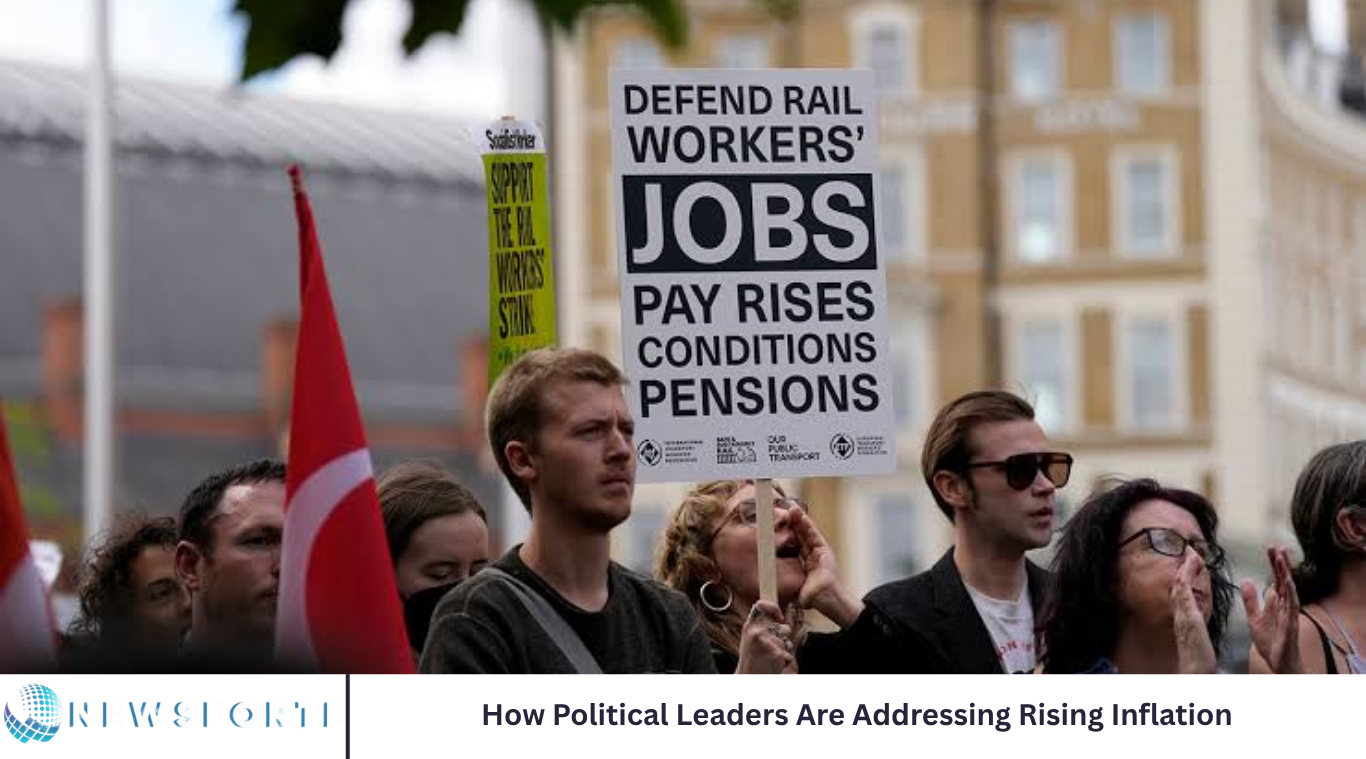
Inflation has become one of the most important economic issues affecting countries around the world. As the prices of food, fuel, housing, healthcare, and everyday goods continue to rise, many households face increasing financial pressure. Governments and political leaders are under growing pressure to find effective solutions that protect consumers while supporting long-term economic growth.
Although inflation is influenced by many factors, including global events, supply chains, and market conditions, political leaders play an important role in shaping policies that can help reduce its impact. This guide explains what inflation is, why it happens, how political leaders respond to it, and the challenges they face in balancing economic stability with public expectations.
What Is Inflation?
Inflation is the general increase in the prices of goods and services over time. As prices rise, the purchasing power of money decreases, meaning people can buy fewer goods and services with the same amount of money.
For example, if groceries, transportation, and utility bills become more expensive while income remains the same, households may need to adjust their budgets or reduce spending.
A moderate level of inflation is considered normal in many economies, but high or persistent inflation can create financial challenges for families, businesses, and governments.
Why Inflation Happens
Inflation can occur for several reasons.
One common cause is increased demand. When consumers spend more money than businesses can supply with available goods and services, prices may rise.
Another cause is higher production costs. If businesses pay more for raw materials, transportation, energy, or labor, they may increase prices to cover those costs.
Supply chain disruptions can also reduce the availability of products, leading to higher prices.
Global events, natural disasters, conflicts, and changes in energy markets may further contribute to inflation.
Why Inflation Becomes a Political Issue
Inflation directly affects people’s daily lives.
Higher prices influence household budgets, savings, and purchasing decisions.
As living costs increase, voters often expect political leaders to introduce policies that improve affordability and strengthen the economy.
Because inflation impacts nearly every sector, it frequently becomes a major topic during elections, public debates, and government policy discussions.
Political leaders must balance public concerns with long-term economic stability.
The Role of Governments
Governments have several tools that may help address inflation.
They can adjust public spending.
They may introduce tax policies designed to support economic stability.
They can provide financial assistance to vulnerable households during periods of rising prices.
Governments also work with economic experts and institutions to evaluate inflation trends and recommend appropriate policy responses.
However, government policies alone cannot eliminate inflation immediately.
The Role of Central Banks
In many countries, central banks play a key role in managing inflation.
Although central banks operate independently in many economies, governments and political leaders often discuss their policies because they have a significant influence on the economy.
One common approach is adjusting interest rates.
Higher interest rates generally make borrowing more expensive, which may reduce overall spending and slow inflation.
Lower interest rates may encourage borrowing and investment during periods of slow economic growth.
Finding the right balance requires careful economic analysis.
Fiscal Policy Measures
Fiscal policy refers to government decisions involving spending and taxation.
Political leaders may introduce budgets that prioritize responsible public spending while supporting economic growth.
Possible measures include:
Adjusting tax policies.
Investing in infrastructure.
Supporting job creation.
Funding education and workforce development.
Providing targeted financial assistance.
These decisions aim to balance economic growth with price stability.
Cost-of-Living Support
When inflation affects essential goods, governments may introduce temporary support programs.
Examples include assistance for:
Food costs.
Housing expenses.
Energy bills.
Transportation.
Healthcare.
These programs are often designed to help lower-income households manage rising living costs.
However, policymakers must also consider the long-term financial impact of such programs.
Supporting Businesses
Businesses are also affected by inflation.
Higher operating costs can reduce profits and increase prices for consumers.
Political leaders may introduce programs that help businesses remain competitive.
These may include:
Small business support.
Tax incentives.
Access to financing.
Investment in innovation.
Workforce training initiatives.
Strong businesses contribute to employment and economic growth.
Encouraging Domestic Production
Some governments encourage domestic production to reduce dependence on imported goods.
Increasing local manufacturing and agriculture may improve supply chains and reduce shortages.
Greater production can help stabilize prices over time if supply better matches consumer demand.
However, expanding production often requires long-term investment and planning.
Energy Policies
Energy prices frequently influence inflation.
Higher fuel and electricity costs can increase transportation and manufacturing expenses, leading to higher prices across many industries.
Political leaders may invest in:
Energy infrastructure.
Renewable energy.
Domestic energy production.
Energy efficiency programs.
Diversifying energy sources may improve long-term price stability.
Food Security Policies
Food inflation is often one of the biggest concerns for households.
Governments may support farmers through agricultural programs, research, irrigation projects, and improved transportation networks.
Improving food production and distribution can help strengthen food supplies and reduce price volatility.
Weather conditions and global agricultural markets also influence food prices.
Housing Affordability
Housing costs contribute significantly to inflation in many countries.
Political leaders may address housing affordability by encouraging new construction, supporting affordable housing projects, and improving housing regulations.
Increasing housing supply may help reduce pressure on prices over time.
Housing policy often requires cooperation between national and local governments.
Employment and Wages
Inflation affects both workers and employers.
Some governments support workforce development through education, job training, and employment programs.
Higher wages may help households manage increased living costs.
However, policymakers must balance wage growth with productivity to avoid creating additional inflationary pressures.
Economic conditions vary across industries and regions.
International Cooperation
Inflation is often influenced by global events.
Countries may cooperate through international organizations and trade agreements to improve supply chains, strengthen energy security, and encourage stable markets.
Global cooperation can help reduce some inflationary pressures that individual governments cannot address alone.
International economic relationships remain important in today’s interconnected world.
Balancing Economic Growth and Inflation
Political leaders face difficult decisions when addressing inflation.
Policies that slow inflation too aggressively may reduce economic growth.
Policies that encourage spending too rapidly may increase inflation further.
Balancing these goals requires careful planning and ongoing evaluation of economic conditions.
Successful policymaking often involves gradual adjustments rather than sudden changes.
Public Communication
Clear communication helps build public confidence during periods of inflation.
Political leaders often explain:
Economic conditions.
Government policies.
Expected outcomes.
Future plans.
Transparent communication allows citizens and businesses to make more informed financial decisions.
Open dialogue also helps reduce uncertainty.
Challenges Facing Political Leaders
Managing inflation is rarely simple.
Political leaders must respond to changing economic conditions while considering many competing priorities.
Common challenges include:
Global market uncertainty.
Energy price fluctuations.
Supply chain disruptions.
Natural disasters.
Public expectations.
Government budget limitations.
These factors make inflation management a complex policy issue.
The Importance of Data
Economic decisions rely on accurate information.
Governments monitor indicators such as:
Consumer prices.
Employment.
Economic growth.
Business activity.
Consumer confidence.
International trade.
Reliable data helps policymakers evaluate whether current policies are achieving their intended goals.
Evidence-based decision-making supports better long-term outcomes.
The Role of Technology
Technology can help improve economic efficiency.
Digital payment systems.
Supply chain management.
Artificial intelligence.
Automation.
Data analysis.
These technologies may reduce costs, improve productivity, and strengthen economic performance over time.
Political leaders often encourage innovation through education, research, and investment policies.
Long-Term Economic Planning
Addressing inflation requires more than short-term solutions.
Long-term strategies may include:
Improving education.
Supporting innovation.
Expanding infrastructure.
Strengthening healthcare.
Encouraging investment.
Increasing workforce skills.
These policies help create stronger and more resilient economies.
How Inflation Affects Everyday Life
Inflation influences many daily financial decisions.
Families may adjust grocery budgets.
Businesses may review pricing strategies.
Consumers may delay large purchases.
Borrowers may face higher loan costs.
Retirees may see changes in purchasing power.
Understanding inflation helps people make informed financial choices.
What Citizens Can Do During Inflation
Although governments develop economic policies, individuals can also take practical steps during periods of rising prices.
Create a realistic budget.
Track monthly expenses.
Build emergency savings when possible.
Reduce unnecessary spending.
Compare prices before making purchases.
Invest in education and skills that improve long-term earning potential.
These habits support better financial stability regardless of economic conditions.
Can Political Leaders Completely Control Inflation?
No single political leader or government can completely control inflation.
Many factors, including global markets, supply chains, weather events, consumer behavior, and international conflicts, influence prices.
Government policies can help reduce inflationary pressures and support economic stability, but results often take time.
Effective inflation management usually involves cooperation among governments, central banks, businesses, and consumers.
The Future of Inflation Policy
Economic policy continues to evolve.
Political leaders increasingly focus on building resilient economies that can better respond to future challenges.
Investment in technology, infrastructure, education, clean energy, and supply chain resilience may help reduce the impact of future inflationary pressures.
Preparing for long-term stability is becoming just as important as responding to short-term economic changes.
Frequently Asked Questions
What is inflation?
Inflation is the general increase in the prices of goods and services over time, which reduces the purchasing power of money.
Why is inflation an important political issue?
Inflation affects the cost of living, household budgets, business expenses, and overall economic confidence, making it a major concern for both governments and voters.
How do political leaders try to reduce inflation?
Political leaders may use fiscal policies, cost-of-living support, investment programs, tax adjustments, and long-term economic planning while working alongside central banks and other institutions.
Can governments stop inflation immediately?
No. Inflation is influenced by many domestic and global factors, so government policies usually take time to produce measurable results.
Why do interest rates affect inflation?
Higher interest rates generally reduce borrowing and spending, which can help slow inflation. Lower interest rates may encourage economic activity when growth is weak.
What can individuals do during periods of rising inflation?
People can manage inflation by creating budgets, reducing unnecessary expenses, building emergency savings, comparing prices, and improving their financial knowledge to make informed spending decisions.
Conclusion
Rising inflation remains one of the most significant economic challenges facing political leaders around the world. Addressing it requires a balanced approach that considers government spending, taxation, interest rates, employment, energy, housing, and long-term economic growth. While no single policy can eliminate inflation overnight, thoughtful decision-making, responsible economic management, and cooperation among governments, businesses, and financial institutions can help reduce its impact over time. By combining short-term support with long-term investment, political leaders aim to build stronger economies that are better prepared for future challenges.