

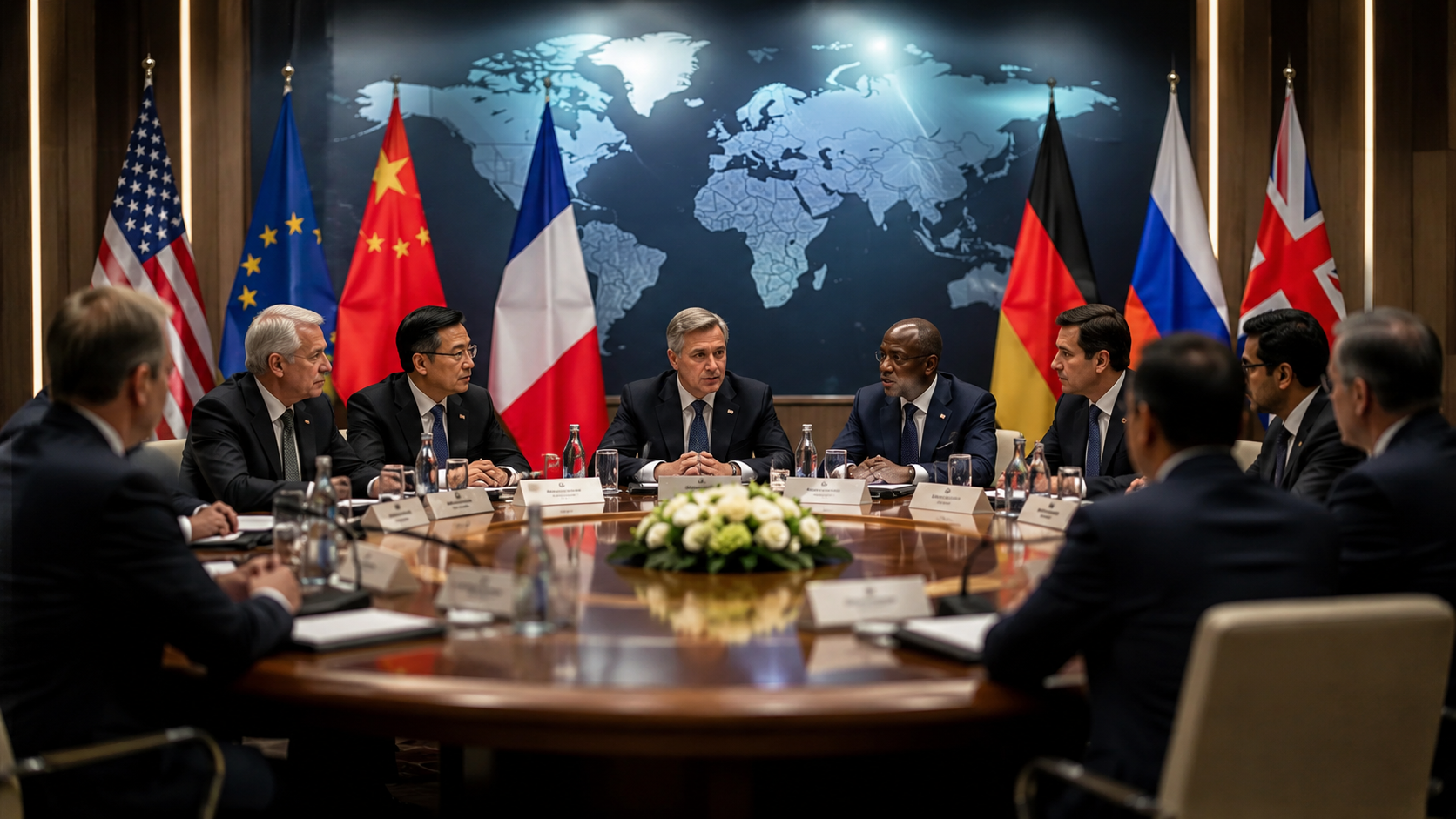
The world feels a little more unpredictable these days. Conflicts simmer in multiple regions, trade relationships shift overnight, and alliances that once seemed permanent are being tested. Yet even amid this uncertainty, one thing has remained constant: international diplomacy talks continue amid global tensions, offering a fragile but essential thread of stability.
Diplomats, foreign ministers, and world leaders keep showing up at the negotiating table, even when the headlines suggest otherwise. This persistence matters. It signals that despite deep disagreements, most nations still prefer conversation over confrontation. In this article, we’ll explore why these talks matter, what challenges they face, and what the future of global diplomacy might look like.
Why Diplomacy Still Matters in a Divided World
It’s easy to assume that diplomacy has lost its power in an age of social media outrage and instant escalation. But the opposite is often true. When international diplomacy talks continue amid global tensions, they act as a pressure valve, giving nations a structured way to express grievances without resorting to force.
Diplomatic channels rarely make headlines the way military conflicts do. A quiet meeting between foreign ministers doesn’t generate the same attention as a border skirmish. Still, these low-profile conversations often prevent bigger crises from erupting. They keep communication lines open, even between rivals who publicly criticize one another.
The Role of Multilateral Institutions
Organizations like the United Nations, regional trade blocs, and security alliances play a central role in keeping dialogue alive. These institutions provide neutral ground where representatives can meet, even when bilateral relations are strained. Without such platforms, many ongoing negotiations simply wouldn’t happen at all.
Multilateral diplomacy also allows smaller nations to have a voice. In a purely bilateral world, power imbalances would dominate every negotiation. Institutional frameworks help level the playing field, at least to some degree, giving mid-sized and developing countries a seat at discussions that affect their futures.
Current Global Tensions Driving the Talks
Several overlapping issues are shaping today’s diplomatic climate. Territorial disputes, economic competition, energy security, and differing views on global governance all contribute to friction between major powers. Regional conflicts also draw in outside nations, complicating already delicate relationships.
Economic tensions, in particular, have become a major driver of diplomatic activity. Trade restrictions, tariffs, and competition over critical technology and resources force countries to negotiate constantly, even if they’d rather avoid engaging with certain rivals. In many cases, economic interdependence is precisely what keeps talks alive, since a complete breakdown in relations would hurt everyone involved.
Security Concerns and Regional Conflicts
Security remains one of the most sensitive areas of diplomacy. Military buildups, cybersecurity threats, and regional conflicts require constant dialogue to prevent misunderstandings from spiraling into open confrontation. Diplomatic talks in these areas often focus less on resolving root causes and more on managing risk, establishing communication protocols, and avoiding accidental escalation.
This is where diplomacy shows its quieter, more technical side. Negotiators aren’t always trying to solve a conflict outright. Sometimes their goal is simply to make sure both sides understand each other’s intentions clearly enough to avoid a catastrophic miscalculation.
Challenges Facing Modern Diplomats
Diplomacy today faces obstacles that didn’t exist a generation ago. Domestic political pressures often limit how flexible negotiators can be, since leaders must answer to voters who may view compromise as weakness. Social media adds another layer of complexity, turning private negotiations into public spectacles before agreements are even finalized.
There’s also the challenge of trust. Repeated broken promises, shifting alliances, and inconsistent policy positions have made many nations wary of committing to long-term agreements. This erosion of trust means that even when international diplomacy talks continue amid global tensions, progress can be slow and incremental rather than dramatic.
A few recurring challenges tend to complicate negotiations across regions:
- Domestic political constraints that limit negotiators’ flexibility
- Rapid public scrutiny that pressures leaders before deals are finalized
- Historical grievances that resurface during sensitive discussions
- Economic interdependence that creates both incentive and hesitation to compromise
These factors don’t make diplomacy impossible, but they do make it slower and more delicate than it might appear from the outside.
The Human Element in Negotiations
Behind every diplomatic breakthrough are individuals building relationships over years, sometimes decades. Personal trust between negotiators can make the difference between a stalled process and a genuine agreement. This human element is often overlooked, yet it’s one of the most important factors in successful diplomacy.
Seasoned diplomats understand that patience is not optional. Meaningful agreements rarely happen in a single meeting. They emerge from repeated conversations, small concessions, and a willingness to keep talking even when progress feels nonexistent.
How Global Powers Are Approaching Diplomacy Today
Major powers are adapting their diplomatic strategies to fit a more complicated world. Rather than relying solely on formal summits, many nations now use a mix of official channels, informal backchannel communication, and economic engagement to manage relationships.
This layered approach reflects a broader shift in how diplomacy operates. Formal talks still matter, but they’re increasingly supplemented by quieter, less visible forms of engagement. Business ties, cultural exchanges, and technical cooperation on issues like climate change or public health often continue even when political relations are tense.
Balancing Competition and Cooperation
One of the defining features of modern diplomacy is the ability to compete and cooperate simultaneously. Two nations might be rivals in trade or technology while still working together on shared challenges like pandemic response or climate resilience. This dual-track approach allows international diplomacy talks to continue amid global tensions without requiring every issue to be resolved at once.
This pragmatic style of diplomacy isn’t always satisfying to watch. It rarely produces dramatic breakthroughs, and progress can feel painfully slow. But it reflects a realistic understanding that most global relationships are too complex to be defined by a single issue.
What the Future of Diplomacy Might Look Like
Looking ahead, diplomacy will likely become even more multifaceted. Climate change, artificial intelligence governance, and cybersecurity are emerging as new arenas requiring international cooperation, regardless of existing political tensions. These issues don’t respect borders, which means countries will need to negotiate solutions together whether they trust each other or not.
Technology is also reshaping how diplomacy is conducted. Virtual summits, real-time translation tools, and digital communication have made it easier for officials to stay in contact, even during crises that once would have halted dialogue entirely. This doesn’t replace the value of in-person meetings, but it does provide additional flexibility when travel or security concerns make physical gatherings difficult.
Ultimately, the fact that international diplomacy talks continue amid global tensions is itself a hopeful sign. It suggests that most nations, despite their differences, still see value in dialogue over isolation.
Frequently Asked Question
Why do diplomacy talks continue even during periods of high tension?
Because dialogue helps prevent misunderstandings from escalating into larger conflicts, even when relations are strained.
What role do international organizations play in diplomacy?
They provide neutral platforms where nations can negotiate, especially when direct relations are difficult.
Are diplomatic talks always successful?
Not always. Many discussions focus on managing risk rather than achieving immediate resolution.
How has technology changed modern diplomacy?
Virtual summits and digital communication tools now allow officials to stay connected even during crises.
Why is trust important in diplomacy?
Trust influences how willing nations are to commit to long-term agreements and compromises.
Can rival nations cooperate on global issues?
Yes, competition and cooperation often coexist, especially on shared challenges like climate change.
What does the future of diplomacy look like?
It will likely involve more multifaceted engagement, covering technology, climate, and security alongside traditional political issues.
Conclusion
Global tensions aren’t going away anytime soon, and diplomacy alone can’t solve every conflict or disagreement. But the persistence of dialogue, even in difficult times, matters more than it might seem. Every meeting, every negotiation, and every quiet backchannel conversation represents an alternative to conflict.